
While most brands chase follower counts, the smartest marketers are focused on something else: engagement.
Data shows that creators with fewer than 5,000 followers have the highest engagement rate at 2.53%, outperforming every other tier.
As follower counts increase, that number drops to just 0.92% among mega influencers.
If you're still overlooking nano creators, you could be missing one of the most cost-effective opportunities in influencer marketing.
In this blog, we’ll cover:
P.S. Struggling with messy influencer outreach or inconsistent UGC results? Want to scale fast without the trial and error? That’s exactly where expert nano-influencer agencies like inBeat step in. They help you launch high-ROI campaigns using proven nano influencers. Book a free strategy call now and start turning content into conversions!
Nano influencers are everyday social media users with a small but loyal following, usually between 1,000 and 10,000 followers. What sets them apart isn’t audience size but how closely they connect with their community. Their content feels personal and relatable, more like a friend’s recommendation than an ad.
That’s why brands looking for authentic content, stronger engagement rates, and real conversations around their products are teaming up with nano creators.
As HubSpot’s 2025 State of Marketing & Trends Report puts it:
"...Our latest survey highlights the growing role of niche influencers in particular. In 2024, marketers reported leveraging and benefiting from small-scale influencers…more than larger-scale influencers. Our respondents noted that despite their relatively small number of followers, these niche influencers offered access to audiences with strong brand loyalty and trust, making them especially valuable."
And the numbers back it up. The Influencer Marketing Benchmark Report shows how impactful this tier has become across major social media platforms.
In 2024, 75.9% of all Instagram influencers fell into the nano category. Their average engagement rate on Instagram reached 1.73%, compared to 0.61% for macro influencers and 0.68% for mega influencers.
By comparison, TikTok nano influencers made up 87.68% of all creators and averaged a much higher 10.3% engagement rate.
What’s more, 40.1% of consumers said nano creators are the most likely to influence their purchase decisions. This stat alone explains why more brands are shifting their influencer marketing budgets toward nano partnerships and seeing real ROI in return.
People are far more careful about who they trust online, which completely changes how brands need to show up. In fact, 81% of consumers say they need to trust a brand before buying. Polished ads and big-name endorsements often feel distant now. What cuts through instead is social proof that feels real and earned.
This is where nano influencers stand out. They speak like real people rather than brand spokespeople, and their posts fit naturally into everyday content. Because of that, their recommendations feel honest.
The result is clear: nano influencers often drive double the engagement of macro influencers, simply because people stop, read, and respond.
Authenticity also raises content quality. Posts feel natural, comments turn into conversations, and audiences feel part of something rather than sold to. In 2026, that kind of trust is what moves people from interest to action.
Nano influencers help brands enter real discussions in a way that feels personal, credible, and worth paying attention to.
Now that we know what nano influencers are, let’s look at why they’ve become a go-to choice for brands aiming for real results.
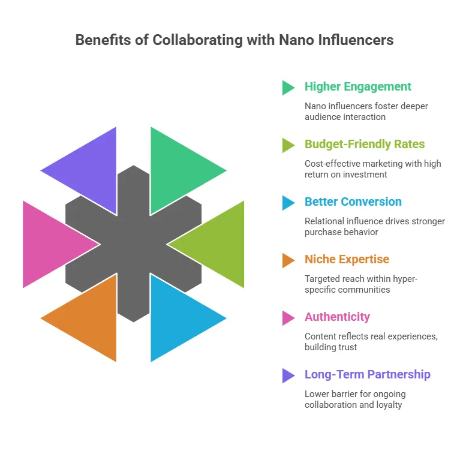
Nano influencers consistently outperform other tiers when it comes to actual interactions. Their average engagement rate sits around 2.7%, compared to just 0.87% for macro influencers. That’s not a small gap. In many cases, they’re up to 50% more engaging than micro influencers, too.
Trust plays a big role here as well. Research shows 92% of consumers trust nano influencers more than bigger names. It makes sense as their audience doesn’t just see and scroll past their posts. They comment, share, and respond, like you would to a friend’s post.
These creators build close-knit communities where trust and two-way conversations are part of the norm. For brands, this means clearer campaign objectives, stronger audience sentiment, and content that actually sticks.
This shift reflects a wider move away from vanity numbers. Many brands now care more about engagement than follower size, which is why 73% of brands prefer working with smaller creators for a stronger engagement-to-cost balance.
The Influencer Marketing Benchmark Report also notes that on TikTok, nano influencers can even pass 10.3% engagement, which is far ahead of larger accounts. They also deliver high impression rates, and that helps posts stay visible longer.
Nano influencers offer serious value without the high price tag. Their average rates fall into a range most brands can work with:
In contrast, mega influencers can charge over $10,000 for a single Instagram post, with TikTok rates starting around $2,500 and YouTube partnerships going well past $20,000. If you are trying to scale social media campaigns without overspending, the difference is hard to ignore.
This affordability is a big reason why 44% of marketers say smaller creators are easier to work with and why they deliver better value through long-term influencer relationships built on consistent content output and ongoing collaboration.
Nano influencers build real connections with their followers. Most people see them as peers, not promoters. That closeness leads to trust, which plays a big role in how followers respond to product recommendations.
Research shows that 63% of shoppers are more likely to buy a product when it's recommended by an influencer they trust. Another study found that around 7% of engagements generated by nano influencers actually convert into sales.
These numbers show how genuine content from nano creators can move the needle on conversion rates in a way celebrity endorsements simply can’t match.
Nano influencers usually grow their following around a specific interest or community.
This can be anything: skincare for sensitive skin, sustainable fashion, or plant-based supplements.
That kind of focus lets them know exactly what their audience cares about.
If you are trying to reach a specific segment, this is a major advantage.
Instead of casting a wide net, you get direct access to people who are already interested in your niche.
The content feels more relevant, with more brand value alignment, and the results are stronger because messaging is shaped around real audience demographics.
For example, Leo Boots qualifies as a nano influencer in the pet niche:

Nano influencers share content that feels real. It’s based on personal use, and more rarely on scripted brand messaging. That’s why their posts tend to come across as genuine instead of promotional. For Gen Z and Millennial consumers, this kind of honesty matters.
In fact, around 67% of consumers say the best brand collaborations are the ones that feel unbiased and authentic. When the content mirrors real-life use, it’s easier to trust and easier to act on.Greater Authenticity and Relatability
Nano influencers post content that feels real because it comes from personal use. Their brand posts fit naturally with what they already share, so the message feels honest instead of sales-heavy.
That matters to Gen Z and Millennials, who pay close attention to whether a partnership makes sense.
And, as feeds become more personal, people look for creators who build a sense of community around shared interests. That’s where nano influencers stand out.
81% of Gen Z say they prefer creators who focus on connection rather than pushing products. With a close, niche audience and a consistent voice, nano influencers feel less like ads and more like a friend sharing an honest opinion. That kind of connection is what strengthens brand loyalty over time.
Working with nano influencers isn’t just a one-and-done deal. Since they’re more accessible and open to brand collaborations, it’s easier to build partnerships that last. The barrier to ongoing collaboration is low, which helps you create a steady flow of user-generated content over time.
As trust builds, a lot of times these creators become true brand ambassadors. They’re more likely to stick around, share updates, and grow with your product, turning one campaign into consistent brand love.
Now the question is, how can you connect with the right nano creators? Let’s explore how to find the ones who truly fit your brand.
If you want to get real results without wasting time, this is the most effective option.
Agencies that specialize in nano influencer recruitment, UGC management, and content tracking handle the hardest parts: outreach, relationship building, and campaign coordination.
Agencies like inBeat already work with a curated community of influencers across all major social media platforms, so you’re not starting from zero. You get speed, scale, and high-performing content creators who align with your brand values.
Compared to doing it all in-house, this route saves time, resources, and avoids the trial-and-error that slows down most marketing campaigns.
Some of your best influencers may already love your product. Loyal buyers are easier to work with, more invested in the brand, and often share naturally on social media. You can identify them through email lists, customer journey analytics, or repeat purchase data.
This approach works especially well when combined with product seeding campaigns, where brands send products to real customers and let authentic content develop organically.
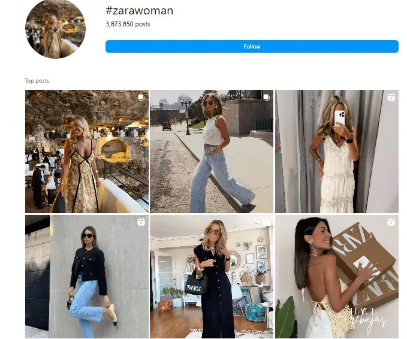
Hashtags are still one of the easiest ways to uncover creators already active in your niche. Platforms like Instagram, TikTok, and YouTube make it easy to spot nano influencers who are posting about your category, style, or industry. Pair that with location-based tags to find local voices who understand your market and speak to a specific audience demographic.
Take #zarawoman on Instagram, for example, it’s filled with everyday creators sharing outfit inspiration featuring Zara pieces. These types of hashtags can reveal potential collaborators already creating shoppable content that aligns with your brand.
Giveaways and community challenges are a great way to surface UGC. Ask followers to share content using a campaign hashtag, then feature the most creative entries. This strategy expands your content library and can lead to longer-term brand partnerships with participants.
A solid example of this in action is the #eyesfacelips challenge by e.l.f. Cosmetics. The brand invited users to show off their best makeup look for a chance to win $250 worth of products. It was simple, viral, and led to a flood of user-generated content that still shows up across TikTok.
You’ll find rich pockets of creator activity in places like Reddit, Discord, niche forums, or Facebook Groups. These communities are full of users who create authentic content around shared interests and are often open to product seeding or affiliate opportunities.
Sometimes the best leads are already inside your brand. Employees may follow niche creators in your industry or even have Instagram handles worth exploring. Their recommendations can help you discover hidden gems within your creator marketplace.
Platforms like Modash and Heepsy let you filter by follower count, engagement rate, location, and more. These tools are great for identifying potential partners, but outreach still takes time, and that’s where working with a specialized agency can really save resources.
Follower count alone won’t tell you much. The real value comes from how a creator connects with their audience and how well that connection fits your brand. When reviewing potential nano influencers, focus on the details that signal real impact.
This includes:
The right nano influencer should feel like a natural voice for your brand. If their audience already listens and responds, your message is far more likely to land.
When done right, nano influencer campaigns deliver serious value. In fact, creators with under 10,000 followers have generated over $1,000 in return from just $50 in spend.
Let’s break down how brands are making that happen, step by step.
Before reaching out to any content creators, get clear on what success looks like. Are you trying to build brand awareness, drive conversions, or stock up on user-generated content for future use? The goal shapes the entire campaign, from the kind of influencer you work with to how you measure results.
It also helps to match your objective with the right social media platform. Use TikTok if you want reach and viral potential, or go with Instagram if your focus is on visuals, aesthetic content, or shoppable posts.
For each campaign, lock in 2-3 performance metrics like engagement rate, sales volume, or clicks from tracking links to stay focused and measure ROI.
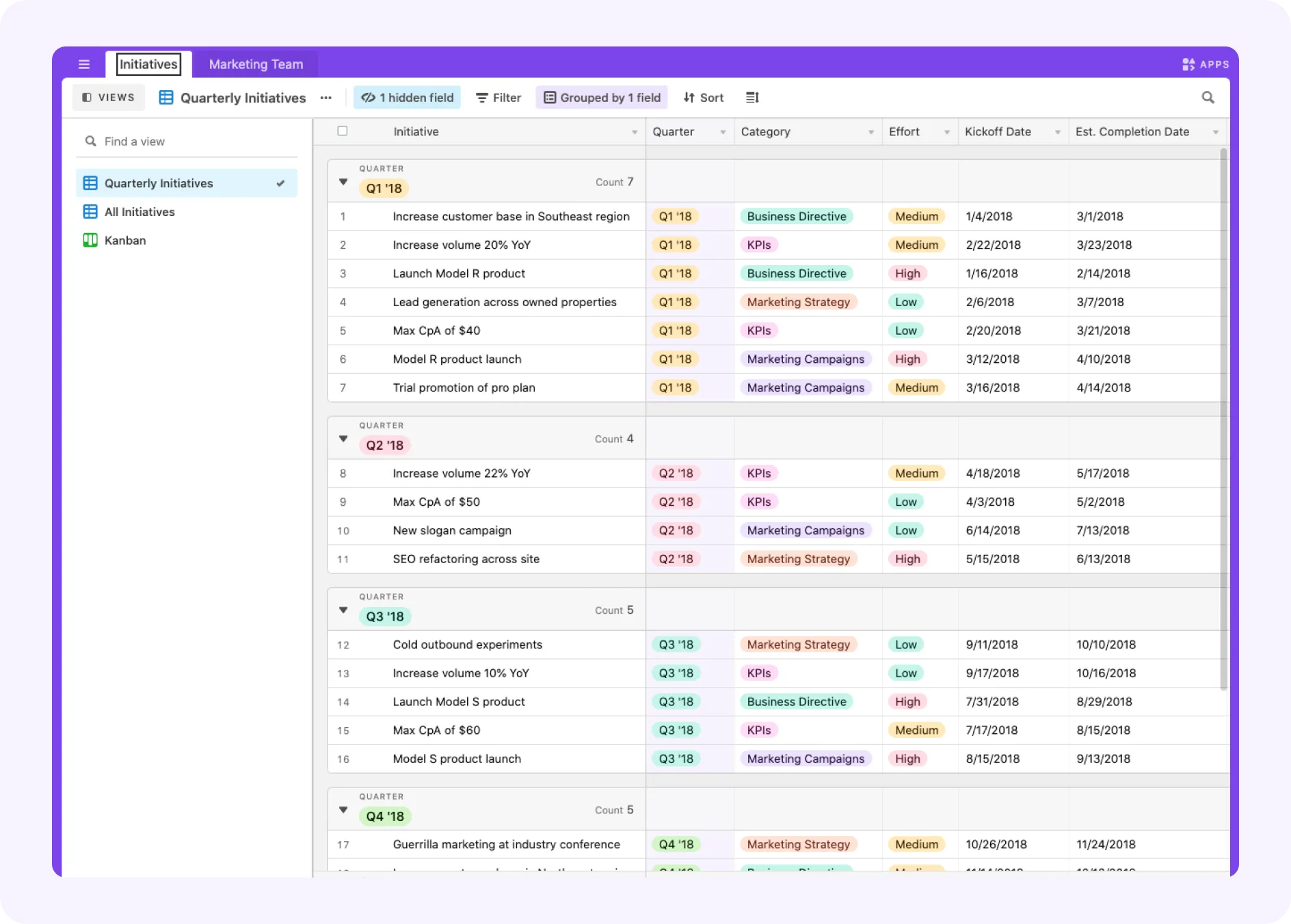
Pro tip: Use tools like Airtable or Notion to map out each campaign’s goals, creators, and KPIs in one place. It keeps your influencer strategy organized and scalable from day one.
Once your goals are clear, it’s time to find the right people to help you reach them. You can start manually by browsing Instagram handles, doing a TikTok search, or checking your tagged posts.
For a faster route, platforms like Modash or Heepsy make influencer discovery easier with filters for follower count, location, and niche.
But finding creators is just step one; you’ve got to vet them. Look for an engagement rate of 3% or higher, check their comment section for real interaction (not bots or emoji spam), and make sure their tone and content align with your brand values.
A good nano influencer should feel like a natural extension of your product, and definitely not like a forced plug.
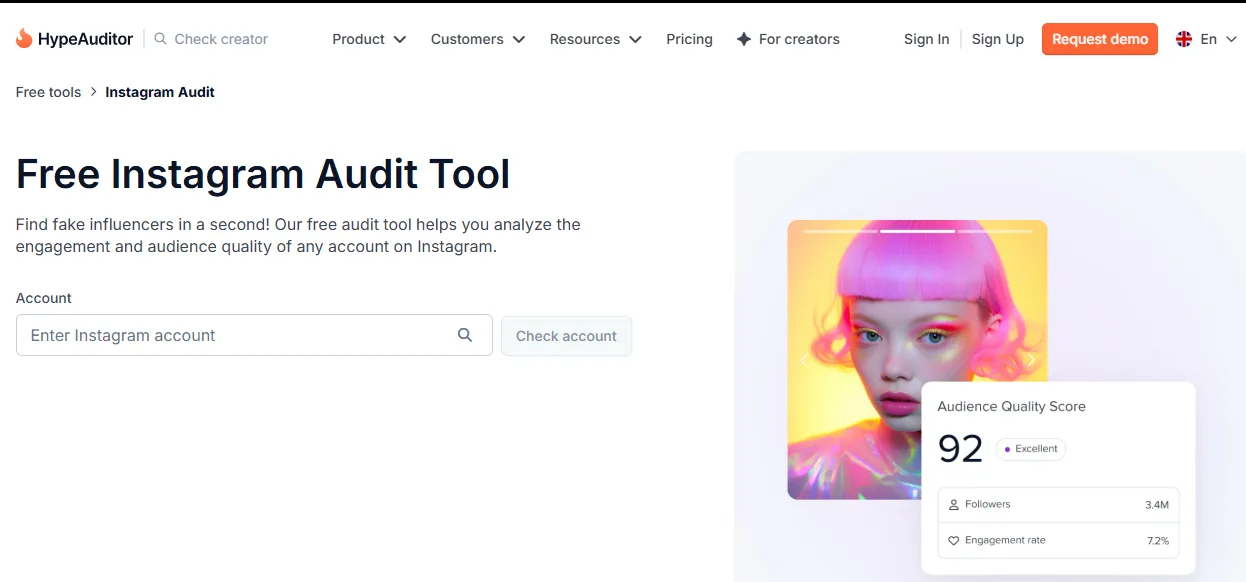
Pro tip: You can use HypeAuditor’s audit tool to check for fake followers and audience authenticity before you reach out. It’s a quick way to avoid wasting time on creators with inflated numbers.
Finding great nano influencers is only half the job; getting them to say yes is where it counts. Instead of sending generic messages, write personalized DMs that highlight what you like about their content and invite them to collaborate on something real. Make it clear they’ll have creative freedom, which most nano creators value over scripted brand guidelines.
Start simple with product gifting and add in affiliate codes or perks to track performance and reward results. It’s a smart way to keep your outreach cost-effective, scalable, and aligned with your campaign performance goals.
P.S. Need inspiration? This influencer outreach template guide has some solid starting points for creating messages that actually get replies.
Nano influencers do their best work when the guidelines are clear, but not controlling. Give them a creative brief that outlines your brand values, key product benefits, and preferred formats like Instagram Stories, TikTok, or shoppable content. Set expectations, but don’t box them in with word-for-word scripts.
The goal is to guide, so you shouldn’t try to dictate. Use loose templates if you need structure, but let creators bring their voice and style to the content. That’s what makes it feel real. When creators are free to speak naturally, the end result is better for engagement rate, brand authenticity, and overall campaign performance.
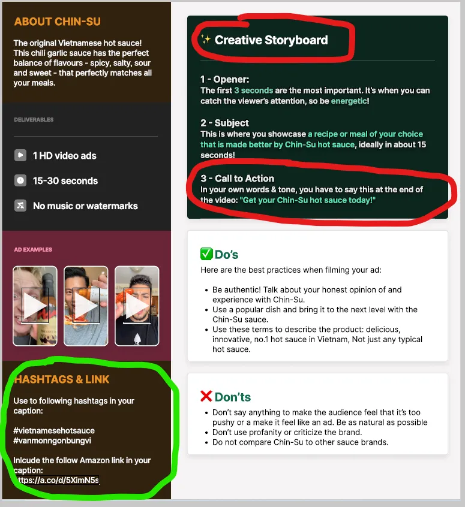
Want to see how the pros do it? Here’s a real example of how experts at inBeat structure briefs. It includes tone guidance, video structure, dos and don’ts, and platform-specific instructions, everything a creator needs without feeling boxed in.
Don’t just let great content live and die in a single post. Repurpose nano influencer UGC to stretch your budget and scale your marketing campaigns.
If the content performs well, whitelist it for TikTok Spark Ads or run it through Instagram Collabs to turn it into native-looking paid media. You can also plug that content into landing pages, email flows, Amazon A+ content, and your shoppable feed. You can even use it in your advertising funnel to support different customer journey stages.
Repurposed UGC saves time on content creation, builds brand consistency, and improves your overall campaign performance across channels.
Here’s a great example of a brand taking creator content from TikTok and giving it new life as an Instagram Reel. Peach & Lily turned a single piece of UGC into a cross-platform asset that still feels native.

Once the content goes live, your job’s not done. You must track how each post performs to know what’s actually driving results. Look beyond likes, focus on metrics like reach, saves, shares, click-throughs, and conversions to measure real impact.
Use tools like UTM links, discount codes, and built-in platform insights to connect content back to sales volume, follower engagement, or specific parts of the customer journey. Plug that data into Google Analytics or your influencer CRM to see what’s working and where to tweak for next time.
Remember, you don’t need a perfect campaign on the first try. What matters is refining as you go, based on what the numbers are telling you.
Once your goals are clear, the right metrics become easier to track. Common ones include:
When sharing results with leadership, keep the story simple. Show outcomes, link them back to ROI, and highlight how these partnerships build authentic relationships and support future campaigns.
Scaling a nano influencer program is about structure rather than volume. The goal is to grow what works without losing trust or content quality. Here’s how to do it step by step.
Group creators by clear influencer categories like niche, audience size, and content style. This makes it easier to add new creators without starting from zero each time.
Create simple briefs, timelines, and usage rules that work across campaigns. When every creator follows the same setup, you save time and keep output consistent.
Use performance data to guide your next moves. Look at engagement, clicks, saves, and conversions to see which creators and formats deliver results. Scale the patterns that repeat and avoid the ones that just look good once.
Instead of asking a few creators to post more, bring in new ones who match the same profile. This keeps content feeling natural and avoids audience fatigue.
High-performing posts can support paid campaigns, landing pages, or product pages. This extends reach while keeping the original creator's voice intact.
Review results after each wave. Adjust creator selection, posting style, and timelines based on what the numbers show. Scaling works best when learning stays part of the process.
Let’s see how real brands are partnering with nano influencers to drive results through smart content and strong audience connections.
Native often partners with nano influencers to keep their product messaging grounded and relatable. Instead of relying on polished, high-budget ads, they work with creators who speak directly to their target audience in a way that feels personal and trustworthy.
One example is Savannah Rivera (@savxrivera), a beauty-focused nano-influencer with just under 10K followers. She created a short, engaging reel showcasing Native’s Moisturizing Body Wash. The content felt authentic and aligned perfectly with Native’s tone.
Native shared Savannah’s video on their official Instagram page, turning it into a branded Reel. This kind of user-generated content works well across both organic social media and paid campaigns, making it a smart move for long-term brand exposure.
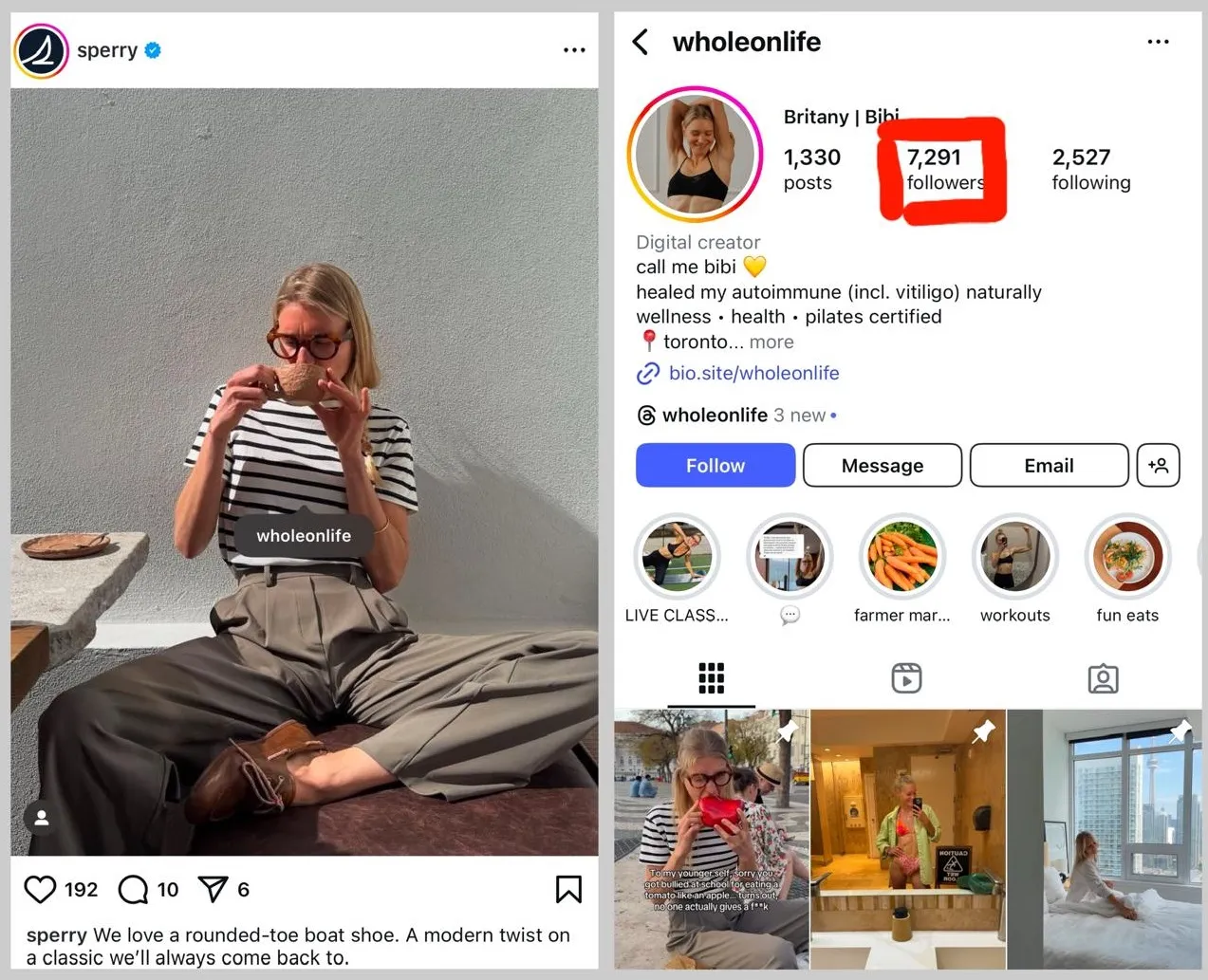
Sperry has built a smart nano influencer strategy by working with smaller creators who already love the brand. They don’t just rely on outreach; they actively monitor hashtags like #sperry and #sperrystyle to spot potential partners who are already posting quality user-generated content.
Once they find the right fit, Sperry sometimes provides a budget so these creators can promote their favorite products in a way that feels personal and platform-native. It’s a great way to fuel authentic content, strengthen brand partnerships, and keep their social media campaigns both scalable and relatable.
Nano and micro influencers often get grouped, but they play different roles in a campaign. Both work well for brands that want trust and real engagement, yet the scale and impact are not the same.
Here’s a simple breakdown to help you decide which fits your goals:
Nano influencers work best when you want strong social proof and real conversations. Micro influencers make more sense when your goal shifts to a wider reach while still keeping decent engagement. Many brands use both at different stages, starting small and expanding once they know what works.
Nano influencer marketing keeps moving in a clear direction: real voices, long-term value, and stronger results from smaller audiences. As platforms and brands adjust their priorities, a few trends stand out this year.
Social platforms now invest more in creator tools and payouts. Channels like Instagram, YouTube, Pinterest, and others push creator-first features that reward steady posting and strong engagement.
This opens the door for nano influencers to earn through brand deals, affiliate programs, and in-app tools. For brands, this means more motivated creators and better content quality.
Marketers focus less on size and more on fit. Research shows that over 90% of marketers are interested in working with influencers who have between 5,000 and 100,000 followers.
That shift comes from seeing how organic posts can travel far, especially on short-form video platforms. Nano influencers help brands reach the right people without heavy spend.
More brands now choose ongoing partnerships instead of single posts. Nano influencers often match or exceed bigger creators on engagement, which makes them strong partners over time.
When creators get early access, product insight, and clear goals, trust grows on both sides. That consistency helps brands build awareness with audiences who already listen.
Nano influencers are one of the most effective ways to build trust, spark conversations, and drive ROI through authentic, community-first content. Whether you're launching your first UGC campaign or looking to scale an existing one, nano creators offer the kind of real influence big names can’t replicate.
Starting small lets you test fast, learn quickly, and scale what works without heavy risk. With the right creators and clear goals, nano influencer campaigns can become a repeatable growth channel instead of a one-off tactic.
Key Takeaways
If you’re looking to launch smarter, faster influencer campaigns with creators who actually convert, inBeat Agency can help. They manage end-to-end UGC campaigns with vetted nano influencers to help you drive consistent, measurable growth.
A nano-influencer is a social media creator with a small but highly engaged following, usually between 1,000 and 10,000 followers. They’re known for authenticity, trust, and tight-knit communities, which makes long-term influencer relationships easier to build and maintain
You can search manually on TikTok or Instagram by using hashtags and location tags, but if you're looking to move quickly, nano influencer agencies like inBeat have pre-vetted creators ready to go, which helps you save time and avoid the hassle of outreach.
UGC (user-generated content) from nano influencers refers to organic-style videos, photos, or posts they create while using your product. This type of content creation blends naturally into feeds and often performs better than polished brand ads.
Nano influencers typically have between 1,000 and 10,000 followers. Some sources also consider <5,000 followers as ultra-nano, but the focus is always on engagement instead of size.
You can reach out directly via DMs, use creator discovery platforms, or work with agencies that specialize in nano influencer UGC. Many brands also layer in product seeding campaigns to get creators using the product before formal partnerships begin. Partnering with experts like inBeat, who manage UGC end-to-end, often leads to higher-performing content and easier coordination.
Nano influencers often deliver strong ROI. With low content costs and high engagement, many brands see returns like $1,000+ in value from just $50 in seeding, especially when performance is supported by basic content tracking and clear goals.
Start by picking a niche, posting consistently, and engaging with your audience. Focus on quality over follower count. Brands often notice creators who are authentic and genuinely passionate.
Scaling is easier when you have a reliable system for sourcing, managing, and repurposing content. Agencies like inBeat offer managed nano influencer networks and UGC services that simplify the process and help you achieve results faster.
Yes. Nano influencers create early trust and fast feedback because their audiences pay attention and respond. That makes them ideal for building momentum and social proof at launch.
Simple, product-first collaborations work best, like honest reviews, demos, or daily-use posts. Giving creators creative freedom leads to more natural content and stronger engagement.
