TikTok Influencer Rates in 2026: What You Should Pay (and What’s a Scam)
Updated: March 2, 2026
Figuring out TikTok influencer rates can be quite challenging. One creator might charge $500 for a post, while another with the same follower count asks for $5,000.
These rates change based on how many views a creator usually gets, how engaged their audience is, the niche they work in, and whether the brand needs usage rights or paid promotion.
That’s why it’s easy to overspend or fall into scams without benchmarks.
Recent data shows that TikTok creators deliver some of the highest engagement rates across all social media platforms, averaging 3.7% compared to Instagram’s 0.48%. That engagement makes TikTok creators highly valuable, but it also drives up influencer pricing across every tier.
If you are planning marketing campaigns, knowing how influencer pricing works will help you budget smarter and avoid costly mistakes.
In this blog, we’ll cover:
The main factors that influence TikTok influencer pricing.
Average influencer rates you can expect by tier in 2026.
Hidden costs and scam tactics to watch out for.
Smart ways to negotiate influencer deals.
P.S. Struggling with inflated influencer rates, fake followers, or campaigns that don’t deliver ROI? You may need expert help. Agencies like inBeat connect you with vetted TikTok creators, execute entire campaigns, track performance, and drive real results, so you can focus on growth.
TL;DR
TikTok influencer rates vary widely depending on follower count, engagement, niche value, video type, and region.
Nano influencers (up to 200$ per post) are cost-effective with higher engagement, while celebrity influencers ($10,000+ per post) deliver reach but at premium prices.
Strong engagement rates above 5% justify higher fees since they signal active, responsive audiences.
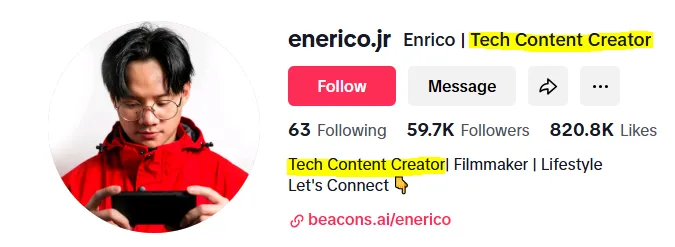
Niches like finance, tech, and beauty command higher CPMs compared to food or lifestyle.
Content type impacts cost: short trend videos are cheaper, while reviews, tutorials, and long-form storytelling cost more.
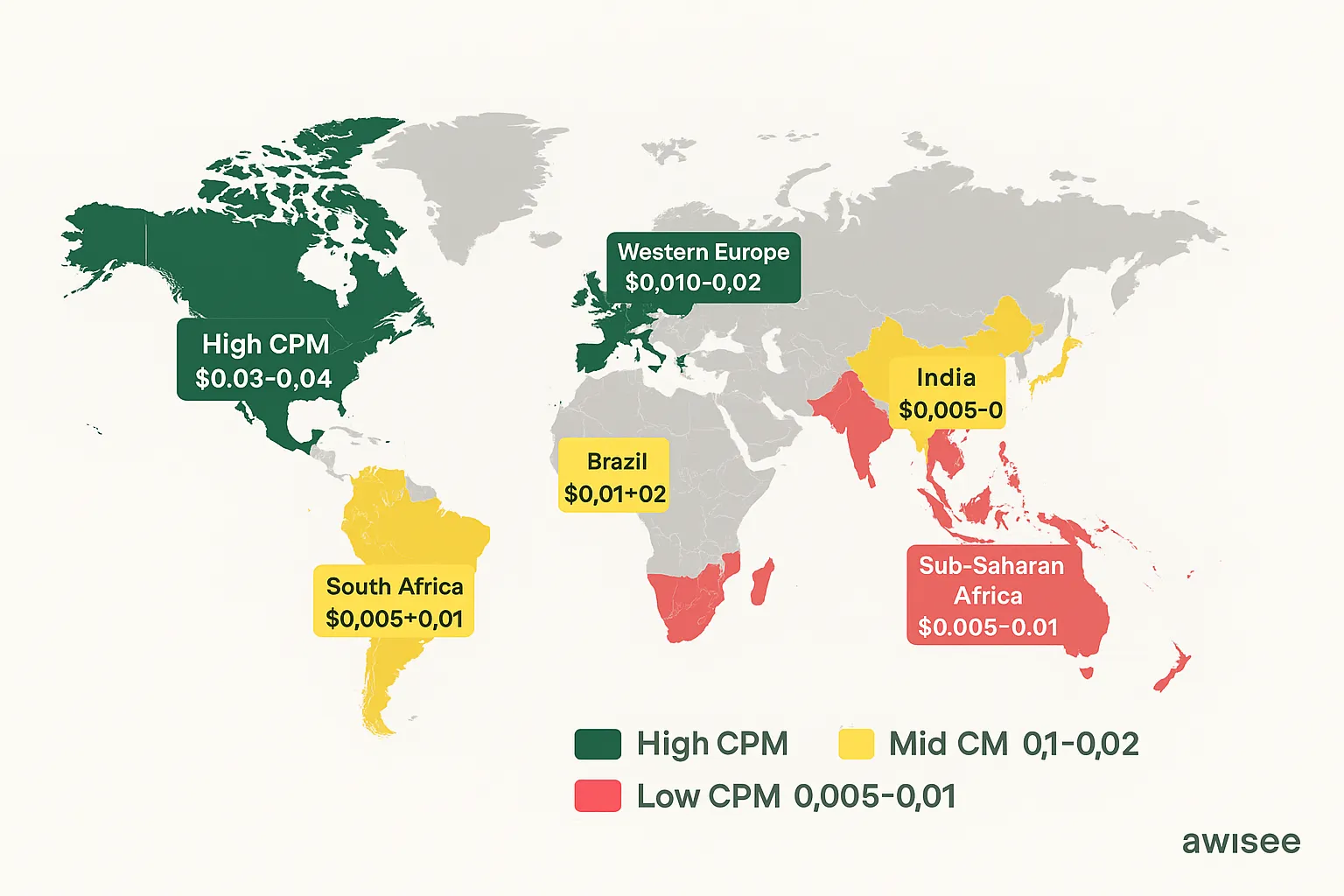
Regional differences matter: The US, UK, and Canada are the most expensive, while Asia offers both affordable and premium options, depending on the market.
Hidden costs include usage rights, exclusivity, revisions, and whitelisting fees.
Common scam signals include fake followers, engagement pods, stolen content, sudden rate increases, and lack of contracts.
Negotiating works best when backed by data, clear deliverables, and package deals rather than one-off posts.
Contracts and verified media kits protect both sides and ensure transparency.
How TikTok Influencer Rates Are Calculated
Before you start planning marketing campaigns on TikTok, it’s important to understand how influencer pricing works. Remember, rates aren’t just pulled from thin air. They’re based on factors like audience size, engagement rate, content quality, and niche value.
So, let’s look at some factors that shape influencer pricing:
1. Follower Count Brackets
One of the clearest pricing indicators is follower count. Bigger audiences usually mean higher rates, but engagement rate and audience relevance can shift the value.
Here’s how the influencer tiers typically stack up:
Nano influencers (1K-10K followers): They charge the least per video because of their smaller audience size. However, they usually have strong engagement rates and tight-knit communities. In fact, according to the Influencer Marketing Benchmark Report, TikTok nano influencers made up 87.68% of all creators and averaged a much higher 10.3% engagement rate. This makes them highly cost-effective for targeted brand collaborations.
Micro influencers (10K–50K followers): Rates are higher than nano influencers, but still affordable compared to larger tiers. They balance reach and authenticity, and many times deliver great ROI for sponsored content and affiliate marketing.
Mid-tier influencers (50K–500K followers): Pricing jumps here. They have a larger audience reach and can handle more complex content formats, which increases their per-video rate.
Macro influencers (500K–1M followers): Expect significantly higher rates. Their audience size gives them massive brand awareness potential across multiple social media platforms.
Mega or celebrity influencers (1M+ followers): These are the highest-priced tier. Sponsorship payments and flat fees can be substantial, reflecting their celebrity status, audience size, and impact on brand collaborations.
In general, the more followers and audience an influencer has, the higher the rate. But a nano influencer with exceptional content quality and audience relevance can sometimes deliver better campaign ROI than a macro influencer with lower engagement rates.
“Campaigns that blend micro-moments and nano- and micro-creators often exceed the ROI of single macro-influencer strategies. Data shows that engagement rates tend to decline as follower count increases. An analysis of over 17,000 influencer marketing campaigns reveals that nano- and micro-influencers delivered engagement rates of 2.71% and 1.81%, respectively, compared to mid-tier influencers' 1.24%.”
2. Engagement Rate
Follower count shows audience size, but engagement rate shows how active that audience actually is. It’s the percentage of people who interact with a creator’s content, through likes, comments, shares, or saves, compared to their total follower count.
On TikTok, an engagement rate of 5% or more is considered strong.
TikTok creators who hit that level often charge more because they can prove their audience is genuinely paying attention. Higher engagement means sponsored content is more likely to spark conversation, drive clicks, and influence buying decisions.
When reviewing influencer pricing, always check engagement rates in their media kit or campaign analytics. If the rate is consistently high, you’re paying for a community that’s likely to respond to your campaign goals.
You can use our free checklist to help you sort this out:
Not all audiences are worth the same in influencer marketing. A TikTok creator’s niche can push their rates higher or lower, depending on how valuable their audience is to brands.
Niche
Approximate CPM ($ per 1,000 views)
Finance / Investing
$0.05 – $0.08
Technology / AI / Gadgets
$0.04 – $0.07
Health, Wellness & Fitness
$0.02 – $0.06
Beauty & Skincare
$0.02 – $0.05
Education / Personal Development
$0.02 – $0.05
Travel
$0.02 – $0.05
Food & Cooking
$0.01 – $0.03
If you’re working with finance or tech creators, you must expect to pay higher per-video rates of up to $0.08 per thousand views. These audiences have strong purchase power, which makes them attractive for affiliate marketing, brand partnerships, and long-term brand deals.
Tech content (like software walkthroughs and gadget reviews) commands higher CPMs of $0.04 – $0.07 per 1,000 views due to strong advertiser interest.
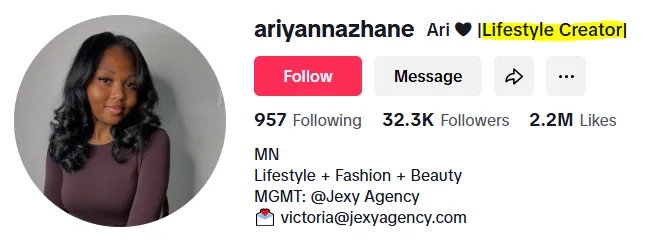
Beauty and lifestyle creators also earn solid rates, but pricing can vary. A lifestyle creator with high engagement rates and strong content quality can still command premium flat fees if their audience aligns perfectly with your campaign goals.
Makeup tutorials, skincare routines, and beauty hacks perform solidly for advertisers. That’s why in Beauty and Skincare, the rate is $0.02 – $0.05 per 1,000 views.
Education / Personal Development commands a CPM of $0.02 – $0.05 per 1,000 views. Content that teaches or upskills, from career coaching to language learning, draws investment from edtech advertisers.
By contrast, Food & Cooking is a lower CPM niche. TikTok creators can usually ask for $0.01-$0.03 per 1,000 views. That’s because, despite it being visually engaging, this niche attracts lower-budget advertisers and faces more saturation.
Pro tip: When reviewing influencer pricing, factor in niche value alongside audience size and engagement. A smaller but highly relevant audience can often deliver stronger ROI reports and campaign analytics than a broad, less targeted one.
4. Video Type
On TikTok, the content format you choose can change what you pay. Trend-based short videos, like quick lip-syncs or viral dance clips, usually cost less. They’re faster to produce and even follow a ready-made formula that TikTok creators can film in minutes.
Here’s an example of a short 11-second TikTok reel that demonstrates this:
Long-form storytelling content, on the other hand, takes more time and effort. If you’re asking a content creator to produce a detailed product review, tutorial, or behind-the-scenes vlog, expect higher influencer pricing. These videos require more planning, editing, and sometimes extra gear, all of which raise the per-video rate.
Here’s a perfect example of story-based TikTok content:
A TikTok creator’s media kit or content packages will usually list rates for different content formats, so you can compare before locking in sponsorship payments.
The TikTok ad formats also add to your influencers’ rates. The format you choose directly impacts your CPM and how users experience your ad. Here’s how the main options compare:
In-feed ads ($4-$8 CPM): Appear in the “For You” feed and blend in with user content. They’re cost-efficient and scalable, making them ideal for campaigns focused on reach, traffic, or conversions. Best when you want volume at a manageable budget.
Spark ads ($5-$10 CPM): These boost existing organic posts while keeping all the engagement (likes, shares, comments). They’re slightly more expensive than standard In-Feed, but they add social proof and credibility, perfect when you want to scale content that’s already resonating.
TopView ads ($10-$20 CPM): The first thing users see when they open the app. They guarantee huge visibility and attention but come at a premium. Great for major product launches, events, or when you need fast mass awareness.
Brand takeover ads ($20-$50 CPM): Full-screen exclusivity for a day. They’re the priciest format but also the most dominating, cutting through noise and ensuring your brand is seen. Reserved for big-budget plays and campaigns where market saturation is the goal.
Of course, the CPM ranges we mentioned ($4-$50) are TikTok’s media costs, paid directly to TikTok when you buy ads through Ads Manager. These formats are not influencer rates by themselves.
So how do they connect to influencer pricing?
If you work only with influencers, you’re paying their flat fee (per post, per package, or per campaign).
If you want to amplify that influencer’s content through TikTok’s formats, then Spark Ads (and sometimes In-Feed Ads) let you boost their posts. That’s when you pay both the influencer (for the rights/creative) and TikTok (for distribution).
Do Influencers Charge More by Format?
Yes, but only in certain cases:
In-feed & Spark ads: Creators may ask +20%-50% higher rates if you request Spark authorization (because their name, handle, and organic engagement are on the line).
TopView & Brand Takeover: Since these are TikTok inventory, not influencer-controlled, influencers don’t set rates for them. What they can do is negotiate higher fees if you want exclusivity (e.g., they don’t work with your competitor before/after your takeover) or premium production for content that will be seen at scale.
Ad Format
TikTok CPM (Media Cost)
Impact on Influencer Rates
In-Feed Ads
$4–$8 CPM
+20–50% more if boosted
Spark Ads
$5–$10 CPM
+20–50% more (Spark rights)
TopView Ads
$10–$20 CPM
No direct rate; possible premium for exclusivity
Brand Takeover Ads
$20–$50 CPM
No direct rate; premium for exclusivity/production
5. Regional Pricing Differences
Where a TikTok creator is based can seriously affect influencer pricing.
In the US, you’ll usually see the highest per-video rates. Production costs are higher, and brands can have bigger marketing budgets for influencer marketing campaigns.
In Europe (EU), rates vary more. Influencers in markets like the UK, Germany, and France may charge closer to US prices, while creators in smaller markets can be more affordable. This makes the EU a mixed bag for brand partnerships, depending on audience reach and niche value.
In Asia, pricing can range from very low to premium. Countries like Japan, Singapore, and South Korea have competitive rates for high-quality content creation. By comparison, emerging markets such as Vietnam or the Philippines can offer lower flat fees but impressive engagement rates.
Here’s what that means:
In the U.S., Canada, and the U.K., TikTok CPM typically ranges from $0.03 to $0.05 per view, equating to $30-$50 per thousand views. By comparison, CPMs in India and Indonesia are just $0.005-$0.01. As a result, TikTok influencers in these areas will see $5-$10 per thousand views.
TikTok Influencer Rate Benchmarks in 2026
So, what should you actually expect to pay? While influencer pricing always varies, these are the average per post rates:
Influencer tier
Average per post rate
Nano influencers
~$200 per post
Micro influencers
~$1,500 per post
Mid-tier influencers
~$3,000 per post
Macro influencers
~$5,000 per post
Mega/celebrity influencers
$7,000+ per post
Remember, audience relevance, content quality, and campaign goals can all change the actual price. A content creator with strong engagement rates and a solid media kit can charge more than others in the same influencer tier.
If you want a quick way to estimate fair rates, you can use a pricing calculator based on CPM (cost per thousand):
CPM = (Average number of views, likes, and comments from the last five TikTok posts) / Cost of Content
Using this influencer rates calculator helps you avoid overpaying and makes campaign analytics easier when you compare per video rates across different content formats.
Hidden Costs You Might Miss
The per-video rate is only part of the story. When working with TikTok creators, there are extra costs that can sneak up on you if you’re not careful. These costs often come from how the content is used, how long it’s locked in, and how much flexibility you need during production.
Usage Rights and Paid Promotion
Many influencer deals only cover organic posting on the creator’s account. If you want to reuse the video for paid ads, website placements, or other marketing channels, usage rights usually cost extra.
In practice, usage rights typically add 50% to 100% on top of the base fee. If the content is whitelisted for paid ads over a short period, such as 30 days, brands often pay an added $500 to $2,000.
Also, longer or open-ended usage can raise costs much more, sometimes doubling or even tripling the original rate.
Exclusivity Clauses
Exclusivity means the creator agrees not to work with competing brands for a set period. This limits their income from similar deals, so creators usually charge more to make up for that restriction.
Short exclusivity windows usually raise pricing by 20% to 50%. A three-month exclusive partnership may increase the rate by around 30%, while a one-year agreement can push pricing close to double the standard fee, depending on the niche.
Content Revisions and Extra Edits
Most creators include one round of edits in their base package. Anything beyond that often leads to extra charges, especially if changes affect the script, visuals, or timing.
Extra revisions add cost because they take more time and delay other paid work. That’s why it’s important to review the creator’s media kit and clarify how many edits are included before the campaign starts.
Platform Whitelisting
Whitelisting allows brands to promote a creator’s post directly through TikTok ads while keeping it tied to the creator’s profile. This can improve ad performance but usually comes with an added fee.
In many cases, whitelisted ads deliver 30-50% better CPA, which explains why creators charge extra for access. Monthly whitelisting fees typically range from $100 to $1,500+, on top of the content rate. Even short whitelisting periods can raise the total budget further when combined with usage rights and paid media spend.
These hidden costs can change the total price of influencer marketing campaigns quickly. Always factor them into your budget before finalizing brand deals or campaign goals.
Hybrid Pricing (Base Fee + Results)
Hybrid pricing includes a lower upfront fee and performance-based rewards. This model is becoming more common as brands look for better cost control and creators look for upside.
In fact,52% of marketers say they combine fixed fees with performance-based incentives when negotiating with influencers. This shows that this approach is already widely used.
There are a few common ways to structure hybrid deals:
Base fee plus commission: The creator receives a smaller fixed payment and earns a commission on sales. This model works well for direct-to-consumer brands where purchases can be tracked through links or discount codes.
Base fee plus CPA bonus: The creator is paid a base rate, with an extra payment added if the campaign hits a target cost per acquisition. This setup fits performance-focused campaigns where conversions matter more than views.
Base fee plus view-based bonus: The creator earns a bonus when videos pass agreed view thresholds. This option is useful when the main goal is reach, or awareness and sales tracking is limited.
Hybrid pricing works best when results are easy to measure. It’s a strong option for DTC brands, affiliate-style campaigns, or any setup that uses trackable links, codes, or clear performance goals. For creators who are confident in their content, it can also lead to higher total earnings than flat fees alone.
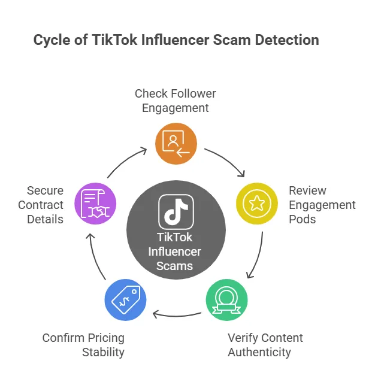
How to Spot a TikTok Influencer Scam
Not every TikTok creator with a big following is legit. Some inflate their numbers or cut corners, and if you don’t spot the signs early, you risk wasting your sponsorship payments.
Let’s see the most common red flags:
1. Fake Followers
High follower count doesn’t always mean real audience reach. Some TikTok creators buy followers to look more influential than they really are. Always check their engagement rate. If someone has 100K followers but only a handful of likes or comments, that’s a red flag.
Use an influencer rates calculator or campaign analytics tools like HypeAuditor to compare follower count with actual average video views.
Here’s what we liked from a Facebook video shared by an investor at Shark Tank:
"Why don't I just buy these likes and followers? Because people can see straight through it. It's like a bad P&L sheet. It's like nasty, dirty inventory." - Daymond John, CEO of FUBU
2. Engagement Pods
Another trick some TikTok creators use is joining engagement pods. These are groups of content creators who agree to like and comment on each other’s posts to inflate engagement rates. On the surface, it looks like their content is performing well, but the audience relevance is fake.
The problem? Engagement pods don’t drive real brand awareness or conversions. You might pay high sponsorship payments for what looks like strong content quality, only to see no ROI in your campaign analytics.
Always review average video views and check if the engagement feels authentic or repetitive. Real comments usually reference the product or campaign goals, while fake ones feel generic.
3. Stolen Content or Fake Portfolio
Some TikTok creators try to look more experienced than they really are by showing stolen content or a fake portfolio. They’ll repost someone else’s videos, claim past brand collaborations they never had, or exaggerate their content quality to lock in brand deals.
This is a major red flag in influencer marketing. Before agreeing to sponsorship payments, always ask for a media kit, check their active platforms, and verify that the content style matches what’s shown in their portfolio. If their average video views or engagement rates don’t line up with the results they claim, you’re probably looking at a fake.
4. Sudden Price Jumps After Initial Quote
A common scam tactic is when a TikTok creator gives you a fair per-video rate upfront. They then suddenly increase the price once you’re ready to move forward. They might claim it’s because of higher engagement rates, added content formats, or new campaign goals, but often it’s just a way to squeeze extra sponsorship payments.
To avoid this, always lock in influencer pricing through a clear contract or content package. Check the influencer’s media kit, confirm flat fees, payment methods, and add-ons before you make a deal. If the numbers keep changing without reason, it’s a red flag, and you should walk away.
5. No Contract or Vague Deliverables
One of the clearest signs of a potential scam is when a TikTok creator avoids contracts or gives you vague deliverables. If they can’t outline what content formats they’ll produce, how many posts you’re getting, or what the sponsorship payments cover, you’re taking a big risk.
Legit TikTok creators usually provide a clear media kit, campaign analytics from past work, and a written agreement. This protects both sides and ensures the influencer pricing matches the content quality promised. If someone refuses to sign or keeps things “casual,” it’s best to protect your budget and walk away.
Here's a checklist that you can use to determine if you're working with a scam:
Clear contracts protect both brands and creators. Even short TikTok campaigns should have basic terms in writing. This avoids confusion, limits disputes, and keeps expectations aligned from the start.
Every agreement should clearly cover the following points:
Deliverables: What the creator will post, how many videos, length, format, and posting dates.
Timeline: Deadlines for drafts, revisions, posting, and campaign end date.
Payment terms: Total fee, payment method, and when payment is made (before posting, after posting, or split).
Revision rules: How many edits are included and what counts as an extra change.
Usage rights: Where and how the content can be reused, for how long, and whether paid ads are included.
Exclusivity: Any limits on working with competing brands and the time period covered.
Cancellation terms: What happens if either side needs to cancel, delay, or pause the campaign.
If a creator avoids contracts or keeps deliverables vague, that’s a sign to slow down and clarify details before moving forward.
Ad Disclosure and Transparency
Sponsored TikTok content must clearly show that it’s paid. Creators should use labels like #ad or #sponsored in captions or on-screen text. Disclosure should be easy to see and placed early rather than hidden at the end.
Clear disclosure protects both sides and builds trust with viewers. It also helps brands avoid compliance issues while keeping campaigns honest and transparent.
Negotiating TikTok Influencer Deals
Negotiating with TikTok creators does not need to feel hard. The goal is to agree on fair pricing that matches real results, clear deliverables, and your campaign goals.
So, make sure to start with research before outreach.
Review the creator’s engagement rate, average views, niche fit, and past brand work. This gives you a realistic price range before numbers come up. Going into the conversation informed helps you avoid overpaying for surface-level metrics.
When discussing rates, use performance data whenever possible.
If you have results from past campaigns, share key numbers like clicks, conversions, or sales lift. Data-backed offers tend to move conversations faster and reduce back-and-forth.
Use Multi-Post Pricing to Lower Cost Per Video
Single posts usually cost the most per deliverable. Brands often get better value by committing to multiple posts over time. Even research can back this up.
Research shows that71% of creators offer discounts for multi-post campaigns, while another 25% are open to it when asked. These bundles usually save brands 15% to 35% on quarterly or yearly commitments.
Simple deal menu example:
Package
What you get
Why it helps
Single post
1 TikTok video
Highest cost per post, least leverage
3-post bundle
3 videos over 30–60 days
Lower rate per video, better testing
6-post bundle
6 videos over a quarter
Best value, stronger consistency
Work With Authentic Influencers Without Overpaying
Understanding TikTok influencer rates doesn’t have to be overwhelming. With clear benchmarks, awareness of hidden costs, and a watchful eye for scams, you can approach influencer marketing with confidence and secure better brand collaborations.
Before finalizing any TikTok influencer deal, take a moment to step back and review the full picture. Look at the total cost across content creation, usage rights, whitelisting, and paid promotion rather than just the per-video fee.
Comparing creators using the same checklist makes it easier to spot real value and avoid paying more for weaker performance. This extra review step usually saves budget and leads to partnerships that perform better over time.
Key takeaways
Follower count influences pricing, but engagement rate and audience relevance matter just as much.
Nano influencers are cost-effective for targeted campaigns with authentic connections.
Micro influencers balance reach, authenticity, and affordable influencer pricing.
Mid-tier influencers have stronger audience reach, higher content quality, and bigger rates.
Macro and celebrity influencers deliver massive exposure but demand premium sponsorship payments.
An engagement rate of more than 5% signals a stronger value for sponsored content.
Niche value in finance, beauty, and tech can significantly raise influencer pricing.
Contracts, media kits, and clear deliverables protect you from scams.
If you’re looking to scale TikTok influencer campaigns with less hassle and more results, inBeat Agency can help find the right creators and manage everything end-to-end. Book a free strategy call now!
FAQs
How much do TikTok influencers get paid?
TikTok influencer rates vary by tier, niche, and engagement rate. Nano influencers may charge a few hundred dollars per post, while celebrity influencers can demand thousands. Pricing depends on content quality, audience reach, and campaign goals. Always review media kits and campaign analytics before finalizing sponsorship payments.
How much does TikTok pay for 100,000 followers?
TikTok itself doesn’t pay based on follower count, except through programs like the TikTok Creator Fund. For brand deals, influencers with 100,000 followers typically fall into the mid-tier influencer category, often charging a few thousand dollars per sponsored post. The exact per-video rate depends on niche value, engagement rate, and campaign analytics.
How do I calculate a fair TikTok influencer rate?
You can calculate fair influencer pricing using CPM (cost per thousand). Divide average video views, likes, and comments from recent TikTok posts by the cost of content. Always compare results with the influencer’s media kit and audience reach before agreeing on sponsorship payments.
Are micro-influencers better than macro-influencers?
Yes, micro influencers are often better for brands that want stronger engagement and audience relevance at lower costs. Macro influencers work better when the goal is broad brand awareness. The right choice depends on your campaign goals and budget, but many marketing campaigns benefit from combining both influencer tiers for balance.
How can I tell if an influencer bought fake followers?
Fake followers often reveal themselves through low engagement compared to follower count. If an account has thousands of followers but very few likes or comments, that’s a red flag. You can use tools like HypeAuditor, Social Blade, or Influencity to check. Always review campaign analytics, average video views, and audience relevance before finalizing brand deals.
Should I sign a contract before paying an influencer?
Yes. A contract protects both the brand and the content creator. It should clearly outline content formats, deliverables, payment methods, timelines, and usage rights. Without a contract, you risk vague deliverables, shifting influencer rates, or disputes over ownership.
Why are micro influencers important?
Micro influencers typically have smaller but more active audiences. Their followers trust them more, which can lead to better engagement and stronger results for brands, especially on a smaller budget.
Who is the biggest influencer on TikTok?
The biggest influencer on TikTok by follower count is Khaby Lame. He has the most followers on the platform, with around160 million followers in 2026.
APPENDIX: RESEARCH SOURCES
Influencer Marketing Benchmark Report 2025
Forbes.com
modash survey
SproutSocial research
2026 Social Media Benchmarks by Social Insider
Influencer Pricing: The Cost of Influencers in 2026 by Shopify
Get started
Partner with leading content creators to produce premium user-generated advertising content.