
Over 56% of consumers are more likely to click on UGC-based ads because they appear more genuine.
That’s a huge edge in a space where ad fatigue, high CPAs, and declining attention spans are real problems.
Wondering how UGC can help you cut costs, increase engagement, and drive real conversions? In this blog, you’ll learn:
P.S. Struggling with rising CAC or flat ROAS? inBeat Agency works with the top 2% of UGC creators to deliver performance‑driven UGC at scale. Want to turn authentic content into conversions? Book a free strategy call now and see how we can help!
UGC ads feature user-generated content like reviews, photos, or videos created by customers, creators, or even brand fans. Unlike traditional advertising, they feel more genuine and relatable.
These ads are posted to social platforms like TikTok and Instagram, where they blend into everyday content. Because the message comes from real people, not the brand, they create stronger connections with potential customers and improve overall marketing performance.
You can also check out this short video to learn more about this:
UGC ads and traditional ads work in very different ways, even when they promote the same product. One feels like the everyday content people choose to watch, while the other feels like a brand message. That difference affects cost, performance, and how fast ads lose impact.
The table below gives a quick side-by-side view so you can see where each approach fits best.
For most performance-focused teams, UGC ads offer more flexibility and better cost control, while traditional ads still play a role for larger brand moments.
UGC ads stand out because they don’t feel rehearsed. That makes them more effective at grabbing attention, keeping people engaged, and turning views into revenue while lowering ad spend.
Let’s see how they can help you spend smarter and earn more from every ad campaign.
People connect more with real stories than polished scripts. That’s why UGC ads built around authentic content perform better across the board. Viewers stay longer, explore more, and click deeper into product details, which leads to lower bounce rates and higher dwell times.
In fact, 85% of people say UGC is more influential than branded content. When the content feels real, it drives real action.
UGC-style ads fit naturally on social platforms like TikTok and Instagram. Because they don’t feel overproduced, people are more likely to interact. In fact, UGC-based ads deliver 4× higher click-through rates and cost about 50% less per click than branded ads.
That means you get more taps from potential customers at a lower cost. When you combine relatable content with strong marketing campaign visuals, your cost-effective content generation leads to better performance all around.
When people engage with your UGC ad, such as liking, watching, and commenting, it sends a clear signal to the platform that your marketing content is effective.
Platforms like TikTok and Meta reward that performance with higher relevance scores.
And those scores matter. Better scores lead to lower CPMs, smoother delivery, and more efficient reach. In short, stronger engagement means less spend and more impact across your ad campaign.
Studio-shot ads lose impact fast. UGC-style ads remain relevant for much longer because they appear genuine and timely. In fact, 93 % of marketers say UGC performs better than traditional branded content.
A few light edits, changing hooks, adding captions, and tweaking calls to action can refresh these ads without redoing the production. That means you get more mileage from each creative while keeping costs low.
When your ads feel relatable and cost less to run, your customer acquisition numbers improve across the board. UGC-based ads help brands spend less to bring in more customers.
Since there’s no need for expensive shoots, you get strong results without a heavy budget. Lower CAC and CPA mean your marketing efforts go further, especially when the content is already built around authentic user experiences.
When someone connects with your brand through UGC, that first impression feels personal, and it stays with them. That trust leads to more than just a one-time sale. It builds loyalty that shows up as repeat purchases and stronger overall customer lifetime value.
Businesses with a higher share of repeat customers can generate nearly 50% more revenue than those with lower repeat purchase rates. Over time, that means better ROAS. Plus, satisfied customers often become creators themselves, adding new content and helping your UGC flywheel keep turning.
Polished ads start to blur together after a while, but UGC keeps things fresh.
In fact, 28% of customers say UGC ads feel more unique, and they’re 31% more memorable than traditional branded content.
So, when someone sees a real person sharing a genuine story, it’s harder to scroll past. Even after multiple views, authentic creator videos still feel engaging.
Swapping creators, styles, or messaging angles keeps your ad campaign feeling new without starting from scratch. That variety reduces fatigue and extends performance without extra effort.
UGC creators see things differently, and that’s a good thing. They surface unexpected product benefits, fresh angles, and relatable content that your internal team might overlook.
These insights help shape more effective messaging, visuals, and hooks. You don’t make assumptions about what works; you hear it directly from the people who use your product.
This kind of input makes your marketing strategy feel more customer-first, which naturally drives better results and stronger ROAS.
UGC ads work best when they match how people actually use each platform. What performs well on TikTok will not work the same way on Instagram or YouTube.
The table below breaks down how you can adapt UGC ads by platform so content feels natural and drives results.
The main rule across all platforms is simple: match the content style to user behavior. When UGC feels native to the feed, ad performance improves, costs drop, and scaling becomes much easier.
Now that we’ve seen how UGC ads drive better performance, let’s break down the different types of content you can use to power your next marketing campaign.
The format is the core of every UGC ad. It defines what’s being created: text, image, video, or a mix. Choosing the right type depends on your target audience, platform, and message.
Short, written content like customer reviews, product captions, and social testimonials can work wonders. They build social proof, answer customer queries, and show off real customer satisfaction, all in just a few lines.
One great example comes from Mindbloom, a wellness brand that features UGC directly on its homepage.

Photos, memes, and infographics created by social media users show real-life use and genuine reactions. Whether it’s a snapshot of a product in action or a relatable meme, this visual content adds credibility and creates a stronger connection between customers and your brand across social media platforms.
Here’s a perfect example of image‑based UGC from GoPro’s Instagram feed: a creator shares a joyful paddleboarding moment with her child.
Short-form clips, tutorials, unboxings, and everyday moments bring products to life. These videos show authentic creator videos in real settings, which builds trust. On platforms like YouTube, TikTok, and Instagram, this format leads to stronger engagement rates and performs better than traditional marketing content.
One standout example comes from Prose Haircare on TikTok, where a creator casually shares her experience with their custom hair products.
Some of the most engaging UGC combines visuals and text. Carousel posts, Instagram Stories, or reels with overlaid captions mix formats to tell richer stories. These layered posts work well across social media platforms and give brands more ways to highlight product details and connect with their target audience.
Where you share your UGC matters just as much as how it looks. Choosing the right channel helps the content reach your target audience and stay aligned with your marketing strategy.
UGC ads shine here because they feel native and blend in. Whether it’s a TikTok review, Instagram reel, or YouTube Shorts tutorial, sharing content where people already spend time creates a stronger impact, higher clickthrough rates, and better engagement from social media users.
Posting UGC ads on your website, especially on product pages or in testimonial sections, helps convert interest into purchases. When potential customers see genuine feedback or photos while browsing, it builds trust and prompts action. It also enriches product details with real-life context that goes beyond basic descriptions.
One study found that showcasing user-generated content on websites can drive 29% higher web conversions compared to websites without it.
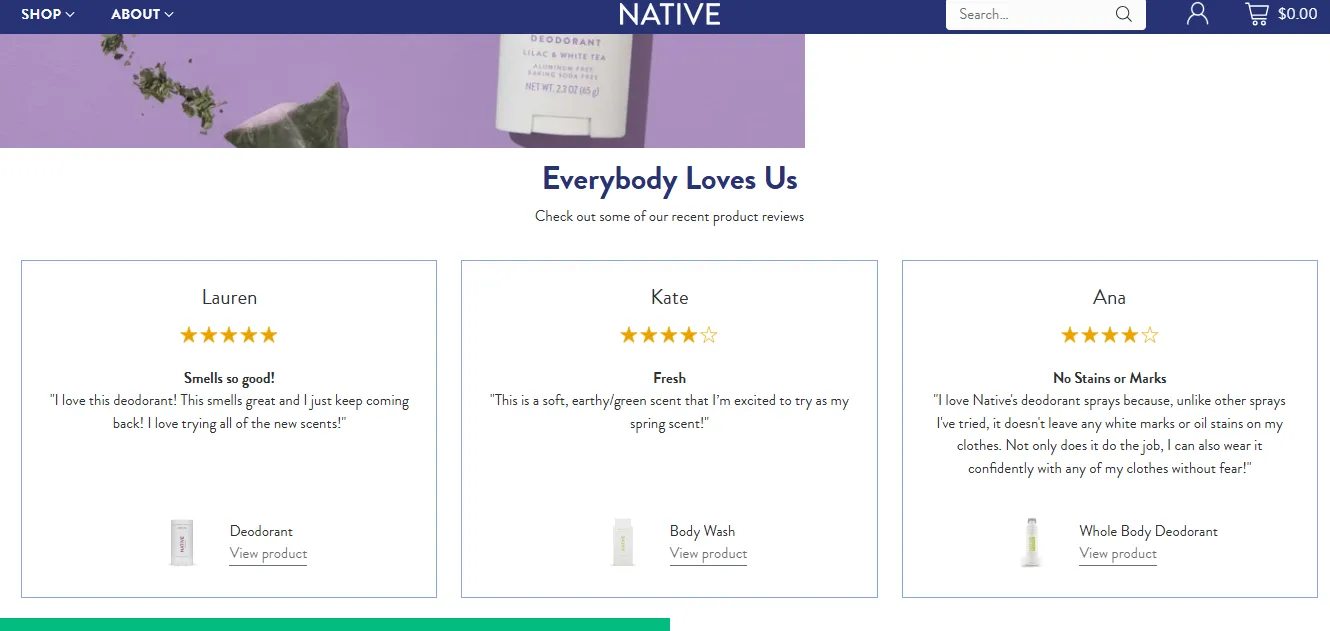
A great example comes from Native Deodorant, which features detailed customer testimonials directly on its homepage, even though it’s not an ad. Each review includes product names, star ratings, and quotes from satisfied customers.
Turning UGC into paid ads works well across platforms like Meta, TikTok, and YouTube. These UGC-based ads feel native, spark higher engagement, and lead to a noticeable drop in cost, especially cost per install or conversion. It’s an accessible choice for brands seeking cost-effective content generation.
On platforms like Amazon and Etsy, brands are now using UGC in ad placements, like sponsored listings and product ads, to showcase real experiences. UGC visuals and customer reviews improve clickthrough rates and make ad creatives feel more relatable.
These ads stand out from traditional listings and help drive more qualified traffic. In fact, incorporating UGC on product pages can increase conversions by up to 64%.
Great results start with great content. Before you launch your next UGC-based ad, it helps to know what actually drives performance. Not every post from a content creator will connect.
The best ones check a few key boxes that keep your target audience watching, clicking, and converting.
Authentic content will always earn trust. Shaky camera footage, casual delivery, or off-the-cuff commentary, all of it makes the message feel real. User-generated content works best when it sounds like something you’d hear from a friend, not a brand trying to sell.
Great UGC captures everyday moments, struggles, or wins. Culinary experiences, travel stories, and self-care routines create relatable content. When people see themselves in the story, it builds stronger emotional bonds and leads to higher conversion rates.
The results are visible. Ads that trigger strong emotional responses can increase sales by 23%, and deeply connected customers are 52% more valuable over time.
What works for an eccentric high-end clothing brand won’t land with eco-conscious customers shopping for clean skincare. The ad must match the viewer’s needs, interests, and stage in the funnel. Context matters, so does tone.
Storytelling is the secret ingredient in top-performing UGC ads. After all, story-driven ads deliver up to 30% better conversion rates compared to ads without a storyline. That makes storytelling one of the most powerful tools in your UGC playbook.
On fast-paced social networks, a clear narrative grabs attention and keeps it hooked. Strong hooks, like a personal challenge or an unexpected scene, can significantly boost engagement in the first few seconds.
Even casual UGC needs to reflect your brand voice. A consistent brand message helps build trust, especially when content is shared across multiple social networks. That doesn’t mean over-polishing, it means choosing creators who naturally fit your mission.Even casual UGC needs to reflect your brand voice. A consistent brand message helps build trust, especially when content is shared across multiple social networks. There is no need for over-polishing, but choosing creators who fit your brand is a must.
Some of the highest-performing UGC-style ads right now play with unexpected messaging like “Don’t buy this if you like average results.” This kind of twist grabs attention and feels native to social media platforms, especially TikTok and Instagram. It adds a layer of surprise without losing authenticity.
You’ve seen what great UGC can do. But how do top-performing brands turn everyday content into high-converting ads? It comes down to structure, speed, and smart edits.
These proven tips can help you turn scrolls into clicks and make the most of your UGC-style ads.
People scroll fast, and attention drops even faster. That’s why the opening seconds are everything. High-performing UGC-style ads don’t rely on polish. They rely on strong storytelling formats that immediately click with the viewer.
The most effective hooks we’ve seen brands use fall into four core formats:
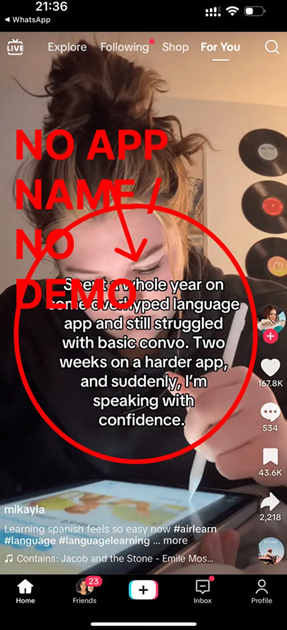
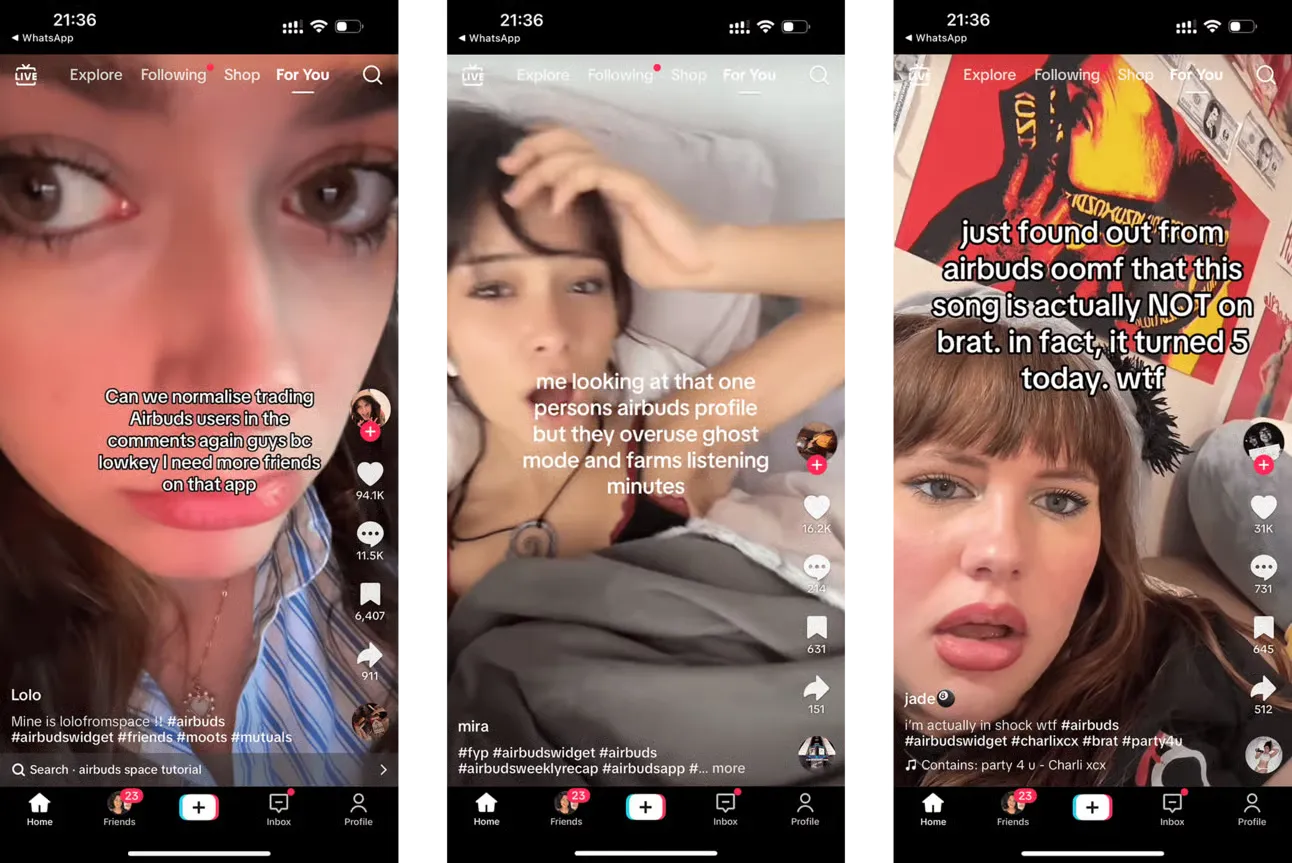
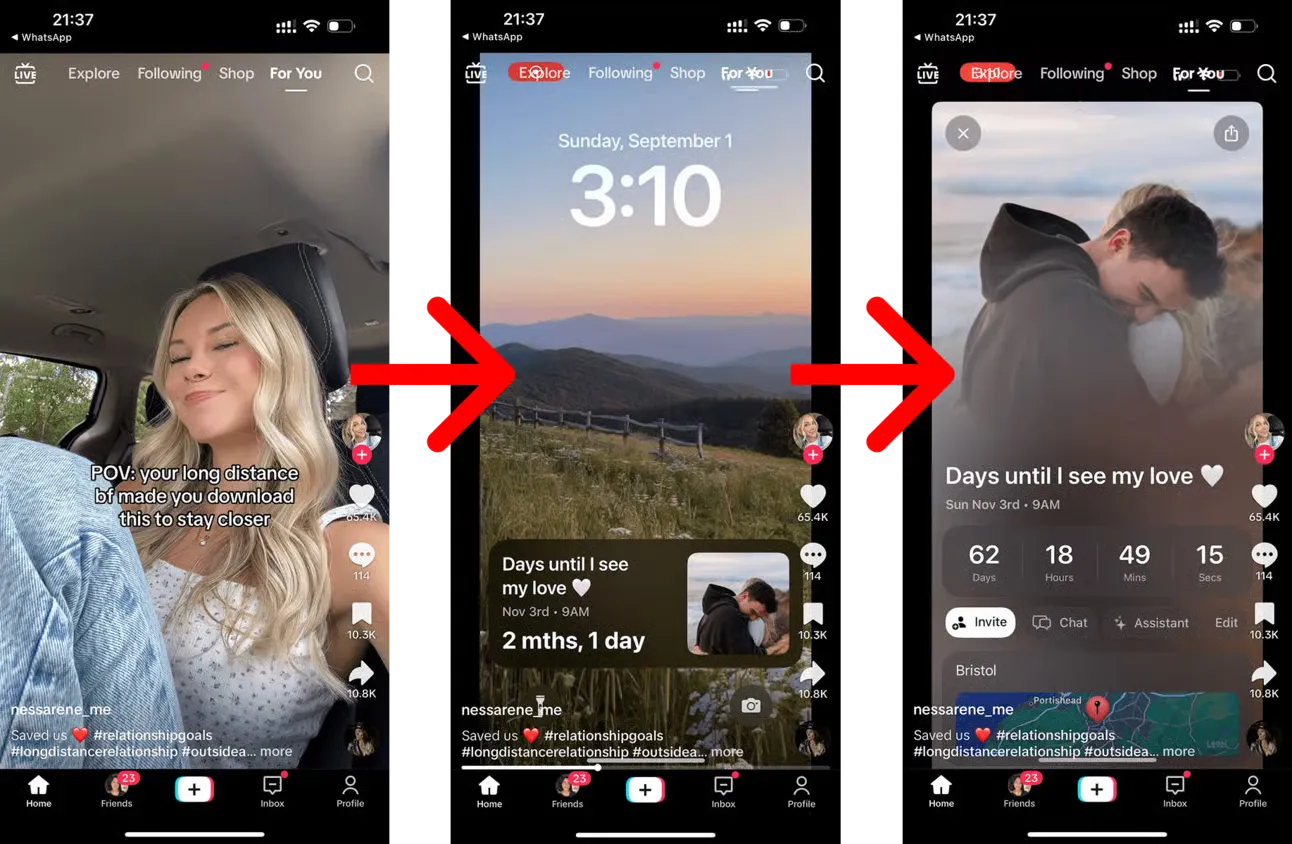
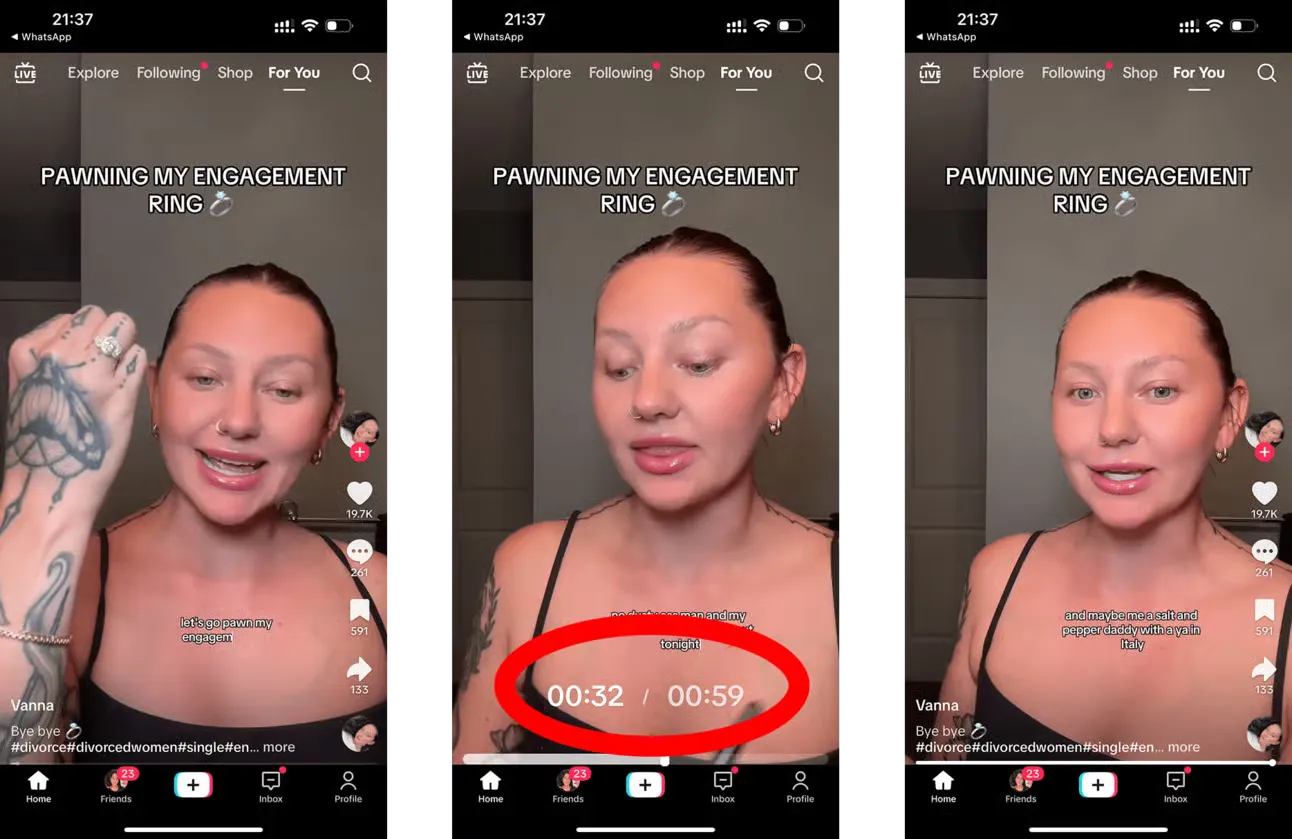
Each one creates a different kind of pull, but all of them work because they feel authentic, relatable, and built for how people actually browse social media platforms.
One-size-fits-all doesn’t work when it comes to UGC-style ads. The most effective brands tailor their content based on where the viewer is in the customer journey.
Each stage needs a different tone, message, and type of content, but it should all still feel human and authentic.
Even the most authentic creator videos can benefit from smart tweaks, especially when they’re being used in a paid advertising campaign. The goal is to keep it authentic, but also ensure that every second performs.
Add captions to keep viewers engaged with the sound off. Insert punchy CTAs that guide clicks without sounding salesy. Use brand elements subtly, like logos or product URL tags, so the content still feels native to the feed.
Don’t stop at one version. Test multiple UGC ads, such as thumbnails, intro lines, and hooks.
UGC works well in email, too; you don’t need to limit it to ads or social feeds. Including customer reviews, creator quotes, or real-life photos in newsletters strengthens your online presence and builds trust.
Email still delivers a strong ROI, especially when it features compelling content from real users. In fact, UGC in email campaigns drives up to 78% higher click-through rates.
Measuring UGC ad performance works best when you focus on a small set of signals and review them together. So, start with a clear goal, then use performance data to see what actually moves results. The metrics below help you spot winning content and know what to scale:
You can track core metrics directly inside ad platforms like Meta Ads Manager, TikTok Ads Manager, and Google Ads, where results are broken down by creative, audience, and placement.
For deeper social-specific insight, tools like TikTok Creative Center, Motion, Triple Whale, or other creative analytics platforms help analyze hooks, content styles, creator performance, and trends tied to real ad performance data.
The best way to understand the power of UGC is to see it in action. We’re sharing below successful campaigns built by inBeat Agency, our sister agency that specializes in micro-influencer and performance-driven UGC strategies.
Booksy used a TikTok-native UGC strategy to reach nail techs and barbers with relatable, pain-point-driven content. Real creators showcased the app in everyday settings, booking clients, managing appointments, and avoiding no-shows. The results speak for themselves:
This campaign shows how authentic content, paired with creator whitelisting and a clear product use case, can dramatically lower CAC and drive explosive product growth.
Bumble tapped into authentic user experiences by inviting creators to share real stories from their first dates. These clips looked like TikToks or Reels you’d expect from a friend. That made them feel native on social platforms, which helped drive stronger engagement.
The content felt relatable and honest, which clicked with Bumble’s target audience. As a result, the campaign boosted app interest and made the brand feel more human and trustworthy, exactly what you want from a UGC-style ad.
Native built a scalable UGC engine by partnering with a wide mix of micro-creators. Each creator delivered unique, authentic content, from casual product shots to relatable videos, tailored to different audience segments.
This approach helped Native produce over 1,000 pieces of creative content without a big production budget. The brand also rolled out five new collections during the campaign and beat its original content creation targets by 200%, proving that volume and quality can go hand in hand.

These campaigns make one thing clear: strong UGC ads follow repeatable patterns that performance teams can use again and again. While each brand had a different audience and goal, the core ideas behind their success stayed consistent. And that’s where the real value sits for performance marketers planning their next move.
What these strategies show in practice:
Scaling UGC ads is about repeating what works while removing friction fast. Once you spot early winners, the goal is to grow results without killing performance or burning out creatives.
Here's what you need to do:
Start by breaking down why a UGC ad performs well. Look at the hook, the problem it highlights, the tone, and the way the product shows up.
Then create new videos that follow the same angle but use different creators, settings, and wording. This approach lets you scale volume while keeping the message familiar to the algorithm and the audience.
Scaling spend too fast on a small creative set leads to fatigue. Instead, raise output first. Ask creators for multiple hooks, endings, and content styles from the same brief. A steady flow of fresh user-generated content videos gives paid media room to scale without pushing costs up.
Strong UGC campaigns rely on creator variety. So, make sure to work with more creators who match your target audience, even if their follower count is small.
Different faces, voices, and delivery styles help ads stay fresh while keeping the same core message. This also improves performance data quality because you can see which creator traits drive results.
Once you have multiple proven creatives, duplicate them into new audiences, placements, and geographies. Keep testing broad audiences alongside interest-based ones so the platform can learn faster. Also, we recommend that you scale in steps (not jumps) and watch ad performance data closely after each increase.
High-performing teams build tight feedback loops. So, try to review results weekly, pull insights from creative analytics, and update creative briefs based on what converts.
Another thing you can do is to share clear notes with creators about hooks, pacing, and ad copy that works. This system turns UGC into a repeatable growth channel instead of one-off wins.
UGC ads can drive strong results, but they are not risk-free. Knowing the common pitfalls helps you avoid wasted spend and protect brand trust.
Those are:
Managing these risks comes down to structure, feedback loops, and strong performance review habits.
Pro tip: Check out our guide on the 12 bad UGC examples that you can learn from. This can help you avoid mistakes in the future.
UGC can lift ad performance, but it also comes with rules and limits that brands need to respect. Before launching UGC ads at scale, it helps to pause and review a few core areas. So, here are the most common checks marketing teams make to avoid issues later.
Always confirm that you have clear permission from the creator to use the content in ads. This includes where the content can run, how long it can be used, and whether paid media is allowed. Without clear approval, brands risk disputes or takedown requests.
UGC ads still count as advertising. Sponsored content, paid partnerships, or recreated experiences must be clearly labeled based on platform rules. Missing disclosures can lead to rejected ads or account warnings, which can slow campaigns down.
Not every creator video matches every brand. Review UGC carefully to see if the tone, language, and visuals match how your brand normally shows up. Content that feels off-brand can hurt trust, even if the creator is popular.
UGC should support your main message rather than fight against it. If different ads say different things, people get confused. Keep the core promise, benefits, and positioning consistent while letting creators express it in their own words.
UGC does not need studio polish, but it does need to be clear and watchable. Check audio, lighting, and framing before running ads. Also, review the setting and context so nothing distracts from the product or message.
AI can help teams produce and test UGC faster, but it works best as a support tool rather than the main creative driver. When used the right way, it saves time, improves consistency, and helps teams learn faster from performance data. But when used the wrong way, it can strip away the real feel that makes UGC work in the first place.
Smart ways to use AI in UGC workflows:
Common mistakes to avoid:
UGC performs best when it stays human at the core. AI can help teams move faster and test smarter, but real stories, real voices, and real reactions should always lead the creative process.
UGC ads are no longer optional for brands that want to win across paid channels. They outperform traditional ads because they connect, convert, and scale with less spend.
The brands seeing the strongest results are the ones that stay close to their audience and let real voices lead the message. When UGC is guided by clear goals and backed by performance insights, it becomes easier to scale spend while keeping costs under control.
Key takeaways
If you’re looking to scale your ad performance with authentic, high-converting UGC, inBeat Agency can help. They partner with top-performing creators to deliver content that lowers CPA, increases engagement, and drives conversions across platforms.
Book a free strategy call now!
UGC examples include customer reviews, unboxing videos, tutorial clips, photo testimonials, or everyday posts created by real users. These can be repurposed across social media platforms, product pages, emails, or paid ads to create more relatable, high-converting content.
UGC ads are paid promotions built around user-generated content, real videos, photos, or quotes from customers or creators. Because they feel authentic, these ads drive stronger engagement, build trust faster, and help brands achieve lower CPAs and higher ROAS.
UGC ads perform better because they feel native, not forced. People trust real voices over brand polish. That trust leads to more clicks, longer watch times, and higher conversions. Plus, UGC cuts through ad fatigue by looking like the content people already choose to engage with, not just another sales pitch.
TikTok, Instagram, YouTube Shorts, and Facebook are top platforms for UGC ads. These channels support native-style content, have large active user bases, and reward high engagement, which makes them ideal for performance-focused UGC-style ads.
A good UGC rate usually falls between $150 and $212 per asset, depending on the platform, content format, and creator experience. Rates may go higher if usage rights, paid ads, or multiple variations are included.
Yes, UGC is worth it when the goal is performance. Brands often see lower costs, stronger engagement, and better ROAS because the content feels natural and fits how people use social platforms.
Look beyond views and track results like CTR, CPA, and return on ad spend. If costs drop and conversions rise compared to non-UGC ads, the content is doing its job.
