
Email teams don’t struggle with volume. They struggle with performance.
You can test subject lines, redesign templates, rotate offers every week, and still watch click-through rates stall. At some point, more creative doesn’t fix it.
What’s missing isn’t output. It’s proof.
User-generated content brings real-world validation into the inbox. Customer photos, reviews, and social mentions introduce credibility at the exact moment someone decides whether to click or buy.
Used strategically, UGC stops being “extra content” and starts acting like conversion infrastructure. It reduces friction, strengthens purchase confidence, and gives your lifecycle flows something brand creative alone can’t provide: trust at scale.
In this guide, you’ll learn:
Let’s break it down.
UGC in email = social proof that improves clicks and conversions.
Reviews, customer photos, and testimonials reduce hesitation and build trust at key decision moments.
Best places to use it in lifecycle emails:
Other tactics: community spotlights, creator content, social mentions, segmentation using review data, and objection-handling emails.
Operational tips: automate review collection, run hashtag campaigns for visuals, get permission for content reuse, and optimize images for deliverability.
Measure ROI via: CTR, revenue per email/subscriber, repeat purchases, and lifecycle engagement.
User-generated content in email isn’t a social screenshot dropped into a campaign. It’s curated, permissioned proof placed intentionally inside performance-driven flows.
In email, UGC becomes structured social validation aligned to segments, behavior, and purchase stage.
Like so:
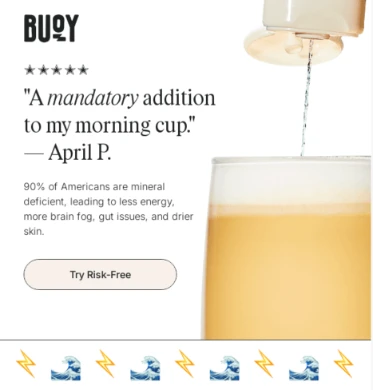
But why does UGC work in email differently than on social?
Because email gives you:
That control changes the role UGC plays.
Instead of competing for reach, you insert real customer proof directly into decision moments. Reviews, images, and testimonials aren’t content for engagement.
They’re now providing conversion support.
When integrated into retention flows, UGC reinforces confidence and reduces hesitation. It adds authenticity, and, as such, it strengthens the mechanics of how email drives revenue.
Before getting tactical, it helps to understand the psychology behind why user-generated content consistently improves email marketing results.
These tactics work because they align with how people actually make purchase decisions.
When subscribers hesitate, it’s usually because of uncertainty or perceived risk. Social proof helps remove that friction. It strengthens brand credibility by replacing brand claims with peer validation at the moment hesitation appears.
FOMO can also play a role:
In high-intent flows like abandoned carts, promotional campaigns, and product launches, validation and FOMO make a significant difference.
A short review snippet, a visible rating, or a real customer photo can move someone from hesitation to action. Instead of relying only on brand claims, you introduce peer validation at the exact moment a decision is being made.
Inside email marketing campaigns, that credibility increases click intent and supports downstream conversion.
Subscribers are constantly exposed to advertising. Polished brand creative, repeated week after week, starts to blend together.
UGC disrupts that pattern:
Real customer voices cut through inbox fatigue in ways brand-created content usually cannot. That’s why featuring UGC in email newsletters can increase click-through rates by 78%.
That authenticity also increases engagement depth and strengthens interaction patterns over time.
UGC influences more than clicks. It increases revenue per subscriber across the lifecycle.
When integrated into the customer journey, UGC:
By increasing confidence at multiple touchpoints, UGC compounds value over time.
UGC performs best when embedded inside revenue-critical flows. That’s why each tactic below ties to a specific lifecycle moment, a measurable metric, and a clear conversion objective.
Let’s break them down.
Cart abandonment typically shows a confidence gap.
The buyer showed intent, but something interrupted it: uncertainty about fit, quality, results, or value.
This problem is really widespread: 70% of online shopping carts are abandoned before purchase.
UGC can help you avoid this if you include the following inside your abandoned cart flow:
This approach is especially effective for direct to consumer eCommerce brands, where visual validation plays a major role in final purchase decisions.
Here’s a good example from Addidas:

Nimble Activewear also used this technique.
The brand added Okendo review snippets to its Klaviyo abandoned cart flow and A/B tested the variation. Emails featuring star ratings and product-specific reviews generated a 74% relative lift in click-through rate and a 16% increase in revenue per recipient
Lesson learned: By reducing hesitation at the final decision stage of the customer journey, UGC can increase cart recovery percentage and lift revenue per abandoned cart email sent. Even small improvements in this flow compound quickly across high-volume email marketing campaigns.
Pro tip: Most modern email marketing platforms integrate with review tools to insert product-specific testimonials directly into triggered flows.
Promotional emails rely on urgency. The risk is that urgency without proof feels transactional.
Instead of stacking discounts, reinforce the offer with validation.
Structure the email like this:
In promotional sends, UGC reduces price skepticism. Subscribers don’t just see “20% off.” They see that other buyers were satisfied at full price.
That distinction protects margin while supporting click-through and conversion.

In fact, research from the Spiegel Research Center at Northwestern University found that displaying reviews can increase conversion rates by up to 270% for low-traffic products.
While that research focuses on on-site performance, the principle translates to email marketing campaigns. Validation increases purchase confidence before subscribers even reach the product page.
Your welcome flow shapes perception before a subscriber ever makes a purchase. The first email usually delivers the offer. Email two or three is the right place to reinforce credibility with user-generated content.
Include:
When used intentionally, this tactic shortens the path to first purchase and increases first purchase rate by building trust early in the lifecycle.
When you announce a drop or restock, subscribers are already curious. The quickest way to build on that interest is to show how real customers actually use the product.
Including customer photos:
For fashion, beauty, and lifestyle brands, that added context makes a difference. Fit, texture, shade, and styling are easier to judge through real-life usage than through studio photography alone.
Aeva Beauty offers a good example, showcasing UGC from real customers using its makeup products. Notice that the brand also included the social media handle and a customer quote for extra proof:

As a result, you’re increasing click depth and overall engagement across the campaign.
After a customer completes a purchase, their mindset shifts. They’ve already committed. The opportunity now is to extend that decision with relevant add-ons.
Inside your post-purchase or reorder sequence, introduce complementary products using customer-backed context:
In categories where bundling improves outcomes (skincare routines, supplements, fitness gear, accessories) this framing makes cross-sells feel practical for customers.
And it works for brands, too.
In fact, cross-selling can account for 10–30% of eCommerce revenue. UGC strengthens that motion by grounding add-on recommendations in real customer experience instead of brand suggestion alone.
Even better, you’ll do it without increasing discounting or relying on aggressive promotional messaging.
For example, this email from Ritual includes real social media images:

The impact isn’t limited to higher average order value. It expands customer lifetime value while purchase intent is still active.
Your customers are already discussing your brand across social platforms. Instead of leaving that content isolated there, bring selected moments into your broadcast emails.
For good content repurposing, you can include:
Pro tip: Maintain the original tone and formatting so the content feels authentic.
Using real customer language reduces creative workload and keeps campaigns aligned with ongoing conversations. Emails feel current because they reflect how customers are actually speaking about the brand.
Remember: When messaging sounds organic, subscribers engage differently. Broadcast emails feel less like scheduled promotions and more like extensions of community dialogue.
Not every email needs to promote a product. A monthly or quarterly community spotlight shifts the focus to customer voices and helps strengthen long-term retention.

Structure it simply:
This format has multiple advantages. It:
When subscribers see real customers highlighted, brand affinity naturally deepens. Spotlight emails reinforce identity and belonging, strengthening retention channels and supporting long-term lifetime value across the customer journey.
Over time, that consistency builds loyalty in ways purely promotional email marketing campaigns rarely can.
When subscribers stop opening or clicking, increasing the discount rarely fixes the issue. Relevance does.
Re-engagement and winback emails perform best when they remind customers what they’re missing.
Inside these flows, include:
Instead of repeating brand messaging, you introduce fresh validation from real buyers, like so:

Pro tip: This approach works especially well when tied to products the subscriber previously browsed or purchased. With proper segmentation, you can dynamically insert ratings and reviews aligned with past behavior.
And it works:
UGC-driven winback campaigns support churn reduction by rebuilding trust and restoring relevance. When validation feels personal and timely, inactive subscribers are more likely to re-engage. This improves retention and strengthens long-term revenue stability.
Instead of repurposing organic mentions, collaborate directly with UGC creators and build email-specific assets.
For example:
Unlike passive review insertion, this tactic blends performance creative with peer credibility.
It works particularly well for product education, new category launches, or higher-ticket items where explanation drives conversion.
This gives you:
UGC brings in valuable data.
Every review, rating, and customer photo reveals preferences, satisfaction levels, and product interests. When you treat that information as segmentation input, you can deliver personalized emails that reflect real behavior.
Examples:
When UGC informs your segmentation logic, follow-ups feel timely and relevant. That personalization lift drives stronger engagement, higher repeat purchase rates, and more efficient lifecycle performance across the customer journey.
Not all user-generated content should be five-star praise.
Some of the most persuasive emails are built around real objections surfaced in reviews.
Instead of avoiding concerns like sizing, durability, price, or performance, address them directly using customer language.
Structure the email around one key hesitation:
This format works because it mirrors how buyers research. They are not looking for generic praise. They are looking for reassurance about specific risks.
By proactively resolving common doubts using real customer experiences, you reduce friction before it becomes abandonment.
Over time, objection-focused emails can improve conversion rates across high-consideration products and reduce support-driven hesitation during peak campaigns.
Sporadic collection will not scale. If user-generated content is going to power your email marketing campaigns consistently, you need UGC management systems.
Operationalizing UGC requires:
Here’s how to build that engine.
The most reliable UGC typically arrives shortly after delivery, when the experience is still fresh and customers are most motivated to share.
Best-practice timing windows:
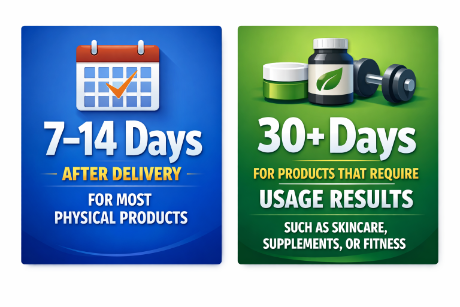
Automated review emails built into your post-purchase email flow consistently perform better than one-off, manual outreach. When customers receive a timely, well-placed reminder after their order arrives, they’re far more likely to follow through and share feedback.
The good news? Encouragement doesn’t have to be extravagant.
Simple incentives such as loyalty points, early access to new products, or a modest discount are usually enough to motivate customers to leave a review.
Pro tip: Most review platforms automate review collection and sync approved ratings and testimonials directly into your CRM, making them immediately usable across lifecycle flows without additional manual work.
If you want consistent visual UGC, make participation as simple as possible.
Launch a branded hashtag tied to:
Encourage customers to share UGC like photo uploads featuring your product across social networks, then curate approved submissions for email.
The key is connecting hashtag campaigns to high-interest moments.
When customers already feel excited about a launch, promotion, or contest, they are far more likely to contribute.
Over time, this creates a renewable source of customer photos you can confidently deploy in promotional, launch, and reorder flows.
Legal hesitation is one of the biggest blockers for email teams, and understandably so.
To scale safely, you need:
This keeps your content strategy both respectful and legally sound, without slowing your marketing momentum.
UGC can absolutely lift performance, but only when it’s implemented with email-specific discipline. Unlike social media, the inbox is sensitive to load time, image weight, and layout balance.
Here’s how to integrate user-generated content without compromising deliverability or engagement:
Strong email marketing performance depends just as much on execution quality as content quality, and UGC works best when both are aligned.
User-generated content should always be tested. If it’s going to support your long-term email marketing and retention strategy, it must demonstrate incremental value inside your campaign analytics.
Start with controlled testing.
Run A/B tests within your email marketing campaigns:
Keep subject lines, send timing, and segmentation consistent. The goal is isolating the impact of UGC per feature. Analyzing multiple variables at once is not good testing practice because you can’t isolate what actually caused the performance change.
If the subject line, creative format, placement, and offer all shift in the same test, any lift becomes ambiguous. You might see higher click-through or revenue, but you won’t know whether it came from the UGC asset, the layout change, or the incentive.
After this, you can then evaluate performance across multiple layers:
Looking at just one metric rarely tells the full story.
UGC influences behavior further down the funnel, so layered measurement gives you a clearer picture of real impact.
The key is perspective. UGC often compounds over time, strengthening retention channels and reorder flows. Measuring it only at the single-send level will understate its true return on investment.
Remember: Most modern email platforms provide revenue attribution at both the campaign and automation level, allowing you to measure downstream performance beyond opens and clicks.
User-generated content can absolutely improve performance, but poor execution erodes the upside. These are the UGC mistakes that quietly suppress results inside email marketing campaigns.
Dropping raw screenshots from social media can quickly clutter your layout and increase load weight. Instead, extract the quote or image and rebuild it natively within your template. This preserves structure, protects brand consistency, and keeps your email marketing campaigns visually disciplined.
Overly polished testimonials reduce credibility. Balanced, specific reviews often outperform generic five-star statements because they feel more authentic.
Public visibility does not equal commercial approval. Without documented consent and clear content rights management, you create legal exposure. Always confirm usage rights before repurposing customer content, especially when embedding it directly into revenue-generating emails.
UGC must match the intent stage. A testimonial that works in a welcome series may not support a promotional push. Align placement with lifecycle psychology.
UGC should support a defined conversion goal. Tie it to a specific product, flow, or lifecycle trigger so it reinforces measurable performance outcomes rather than distracting from them.
Disciplined integration turns UGC into a revenue lever rather than decorative content.
UGC inside email is not decoration.
It reduces hesitation in abandoned carts. It strengthens promotional campaigns with real social proof. It increases average order value in post-purchase flows. And it compounds across the customer journey to improve retention and lifetime value.
When embedded strategically into your email marketing campaigns, user-generated content can become a structured conversion mechanism that compounds brand credibility over time.
Operationalizing this across your sales funnel, from automated review acquisition to segmentation-driven personalization, requires the right systems working together behind the scenes.
At inBeat Agency, we help marketing teams integrate performance-driven UGC into retention channels by aligning creators, automation, and data so your email marketing engine produces measurable revenue lift.
Book a strategy call to build a lifecycle-ready UGC system designed for conversion.
Yes, when used intentionally. Adding reviews, photos, or customer quotes introduces social proof directly into the inbox, which can increase click intent, especially in high-intent flows like abandoned carts and product launches.
Relevance is critical. Product-specific proof typically outperforms generic praise because it reinforces the exact decision the reader is weighing.
You need explicit permission before using a customer photo in commercial emails. Public visibility on social platforms does not automatically grant reuse rights.
Request written consent, document approval internally, and ensure compliance with applicable data protection regulations. Clear documentation protects both your brand and your customers.
For eCommerce brands, visual proof usually performs strongly, particularly photos showing real-world product use. Pairing visuals with concise ratings or short reviews can improve engagement and support higher conversion on linked product pages.
Product-specific testimonials generally outperform broad brand statements because they align with purchase intent.
Yes. SaaS companies can feature customer voices through case study excerpts, review platform quotes, or outcome-focused testimonials.
This works well in onboarding, feature updates, and renewal communications, where credibility helps reduce churn and reinforce value.
Not necessarily. UGC should serve a defined objective. Overuse can reduce its impact and dilute credibility.
Integrate it where validation meaningfully supports the decision being made, and measure performance against clear conversion metrics.
