
User-generated content (UGC) is the real MVP of modern social media and digital marketing.
Instead of depending only on slick, brand-made visuals, more companies are leaning into the authentic voices of their customers.
Why are more brands doubling down on UGC? Simple: it builds connection.
In fact, this kind of content brings major social proof and consistently outperforms traditional branded content when it comes to trust, engagement, and conversion rates.
A 2025 meta-analysis showed that brands using UGC see 29% more website conversions than those running campaigns without it. Even better, UGC posts can drive higher average order values and more site traffic.
But that’s only part of the story.
When real people share unboxing video content, everyday product moments, reviews, and photos, your brand becomes more human. That authenticity turns customers into brand advocates, strengthens brand loyalty, and keeps your community engaged across all your social channels.
In this guide, we’ll walk you through everything you need to know:
You’ll get actionable tips, real-world examples, and proven tactics to boost brand awareness, drive engagement, and increase conversions, all while staying on the right side of copyright and privacy rules.
Let’s get started.
User-generated content is any brand-related content created and shared by your customers, fans, or everyday users. Of course, brand ambassadors and professional UGC creators are also included, and no, they’re not the same as influencers. Here is one explaining how UGC marketing actually works:
UGC includes any content about your brand that was made by real people. This could be:
There are two main types of UGC:
1. From everyday users: This is organic user-generated content shared freely by your customers, like reviews, tagged posts, simple social media mentions, and lifestyle videos. They can even reply in Q&A forums on your behalf. Customer content is relatable, raw, and powerful.
2. From creators: These are high-quality assets created by content creators (not influencers), who specialize in authentic-feeling product demos, lifestyle clips, unboxing videos, and reviews. It’ll be paid user-generated content.
Knowing this difference helps you figure out when to lean into organic UGC and when to partner with creators for scale and consistency.
Here’s a good example:
.webp)
UGC comes in all shapes and sizes. Each format plays a different role in your marketing strategy, from quick-hit social proof to deeper storytelling. Knowing what’s out there helps you choose the right content for your brand.
Reviews and testimonials are some of the most powerful UGC types for easing buyer hesitation. From product page reviews to YouTube deep dives, peer-written content provides clarity and credibility.
Real-life example: Miro teams up with niche creators who show the product in action. They show the dashboards, templates, or audits built in Miro and share them on LinkedIn or Instagram. Miro then repurposes this content on its own channels, increasing customer trust.
.webp)
Visual UGC, especially video content, grabs attention fast. These real-world visuals help potential buyers picture the product in their everyday life, and they usually feel way more relatable than traditional brand shoots.
UGC shared through social channels is easy to discover and great for community building, especially if you’re using branded hashtags.
Some UGC goes deeper. Blog posts or long-form reviews written by customers or niche creators offer way more detail than a quick review. It typically covers things like personal experiences, step-by-step use cases, and even pros and cons.
They’re especially helpful for customers in the research phase, and they double as SEO-friendly content you can repurpose across channels.
Real-life example: Hurom collaborates with creators to write full blog posts about things like wellness journeys, recipe ideas, and in-depth product experiences. These articles feel like authentic thought leadership and give Hurom ready-made content they can reshare for added reach and trust.
.webp)
Mixing UGC formats lets you:
Together, these pieces build a well-rounded UGC strategy that supports your customer journey from first impression to final purchase.
Yes, regularly sharing UGC on social is good for your content calendar. But it also gives you a real edge in building trust, boosting engagement, and creating lasting loyalty.
UGC acts as real social proof, according to multiple studies. When customers share photos, reviews, or experiences, it shows your product being enjoyed in real life. This cuts through skepticism and builds confidence. Authenticity often leads to higher conversions and stronger buyer trust.
UGC shapes brand narratives through genuine customer experiences. Instead of scripted messaging, it shows real moments. Partnering with creators and niche communities adds depth and resonance to your brand’s storytelling.
Fitness brands like Gymshark do this really well by spotlighting transformation photos from real customers, making user stories the heart of their social strategy.
UGC encourages participation and makes customers feel seen and valued. Reposts, hashtags, and community shoutouts build connection and belonging. This turns everyday customers into active contributors and long-term advocates.
That’s why some marketers claim that UGC lowers your customer acquisition costs by up to 43%.
.webp)
Before sharing UGC on social media, you need to source that high-quality UGC and keep it coming in.
These strategies will help you consistently collect content that supports your bigger content and marketing goals.
Contests and giveaways are one of the fastest ways to spark UGC. Ask followers to share a photo, video, or story featuring your product, tag your brand, and use a dedicated hashtag.
Try prompts like unboxings, lifestyle shots, transformations, or “show us how you use it” challenges. Add incentives like prizes, unique perks, or exclusive discounts. This will help boost participation and quickly generate content.
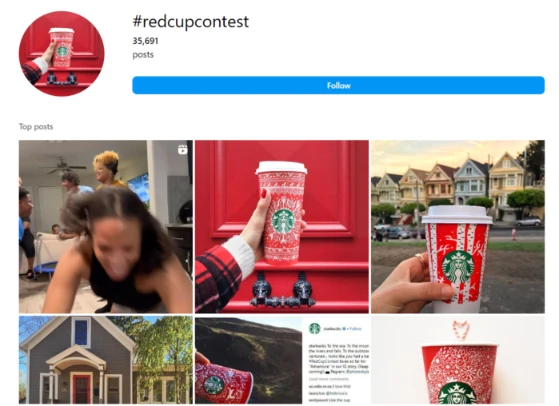
A branded hashtag makes it easy to collect and track UGC. When customers use your hashtag in their posts, you can find and share that content organically.
To boost participation, spotlight the hashtag everywhere, like on social bios, product packaging, emails, banners, and receipts. The more places people see it, the more likely they are to use it.
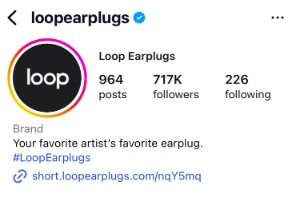
Working with niche or nano creators is a great way to spark UGC that feels genuinely human. These content creators know how to tell real stories, share everyday moments, and shape content that fits naturally on each platform.
Their UGC-style posts can even outperform polished influencer shots because they feel more honest and relatable. Send them your product early or request a few simple videos or photos to keep a steady flow of authentic, on-brand UGC coming in.
Don’t overlook the content you’re already tagged in. Customers regularly share posts, stories, and reviews that are perfect for repurposing (with permission).
Keep an eye on your tags, comments, and reviews. Reach out to ask for repost rights, though, to avoid copyright infringement.
That way, you’ll have a reliable stream of authentic content without needing to run UGC campaigns all the time.
However, some people (especially creators) may not grant you usage rights for free, especially if you’re planning to reuse their content in paid media campaigns. So, be prepared to learn their rates.
Here’s what you can expect:
Once you’ve got great UGC, the next move is sharing it in a way that gets seen, gets customer engagement, and encourages even more people to join in. These strategies help you highlight your creators, boost visibility, and keep the UGC flywheel turning across your social channels.
Don’t just repost content as-is. Turn it into Instagram Stories and Reels, TikToks, carousels, compilations, or even meme-style posts. Presenting UGC in multiple formats helps you reach different audience segments and extend the lifespan of each piece of content.
Use UGC beyond social feeds, too:
Displaying real customers builds trust at critical conversion points.
Here’s a great example from Typeform, using UGC in one of their marketing emails:
.webp)
Trim videos, add captions, or remix clips, but keep the original tone natural and unpolished. Light editing improves watch time and accessibility, without losing the authenticity that makes UGC effective.
Feature customers in recurring formats like:
When your audience sees others being spotlighted, it creates positive social proof and inspires more organic sharing.
Engage with users who create content: comment, share, or add their posts to Stories. When your brand actively participates, it encourages more people to keep posting and interacting.
When you’re working with content creators, you can treat their content like an extension of your own team’s output. Here’s how to share it effectively while keeping those partnerships strong and valuable:
Once you’ve got approved content from a creator, repost it across your brand’s social channels. It keeps your content calendar full without putting all the pressure on your in-house team.
Again, tagging content creators is important. Do this in your captions or visuals.
GoPro offers a great example (you can see both the tagging and the reward they offer):
.webp)
You can also ask or pay creators to post directly on their own profiles. This taps into their audience and adds an extra layer of authenticity. People already trust and engage with them, so the content feels more natural than a branded post.
For example, Sierrah Noel presents herself as “that happy farm girl” interested in healthy living. In that context, presenting a natural skincare product to her followers makes complete sense:
This strategy is perfect for launches or UGC campaigns where storytelling from the creator’s perspective feels more genuine than a brand announcement.
With creator whitelisting, your brand can run ads directly through a creator’s handle or promote their organic posts as paid ads.
Since the content still comes from their profile, it keeps that authentic feel while also giving you the benefits of paid reach and targeting. It’s especially effective for product campaigns and niche audiences.

To get the most from your creator partnerships, fold their content into your long-term strategy:
To really get the most out of UGC, you’ve got to move beyond one-off social posts. The real power comes from weaving user content into your overall content strategy. This means everywhere your brand shows up online:
Use each social media platform for what it does best.
Tag users, stick to your branded hashtags, and stay consistent with hashtags, tone, and social channels organization. Group UGC by campaign, visual style, or product category to keep things cohesive across platforms.
.webp)
Bringing UGC onto your site builds credibility and keeps visitors engaged. Add customer photos, reviews, or videos to product pages, homepage sliders, or a community gallery.
Tools like Flowbox, Yotpo, and Bazaarvoice can streamline content moderation and publishing.
Bonus: This tactic can help lower acquisition costs. When people see real users loving your product, they need less convincing to hit “buy.”
.webp)
UGC can power up every part of your email strategy. Drop testimonials or star ratings into product launches, feature customer photos in newsletters, or include real quotes in post-purchase emails.
You can even link to UGC galleries or embed review widgets. It all helps ground your emails in the community, and turns every send into another opportunity for social proof.
Before you share any kind of consumer-generated or creator-made assets, you must get the right permissions first.
As we explained above, sharing without approval can lead to copyright issues, privacy concerns, and damage to your brand reputation. The best practices below help you stay on the safe side while keeping things respectful and professional:
Getting real ROI from UGC takes more than just reposting cool content. The real value comes from digging into what’s working, understanding why it’s working, and using those insights to scale smartly across social, paid, and web channels.
Follow the steps below to achieve sustainable growth.
Start by tracking which UGC hits hardest. Focus on three key metric groups:
UGC that scores high in both engagement and conversion? That’s top-tier content that’s perfect for repurposing and scaling across platforms.
Once you know what’s working, use it everywhere:
Treat UGC like any other marketing channel when it comes to tracking:
Think of UGC as a process by:
The guide above shows that when you build your strategy around real customer stories, you can boost social proof, deepen engagement, and create lasting loyalty based on actual experiences.
As ad costs keep rising and people expect more transparency, UGC offers a smart, scalable solution. It brings trust, emotional relevance, and creative variety, without the high costs of traditional production.
The brands that treat UGC as an ongoing, evolving asset are the ones that will see the biggest wins in reach, trust, and conversions.
Looking ahead, UGC will keep playing a major role, especially in video content, community-driven storytelling, and full-funnel journeys across social, web, and email.
The brands that lead will be the ones who share responsibly, support their creators, and track what really moves the needle.
Ready to take your UGC strategy to the next level? Book a call with inBeat Agency today and get high-performing UGC strategies that blend authentic content with targeted reach.
Yes, you always need to get clear permission before reposting UGC. Just because someone tags your brand or posts publicly doesn’t mean you can use it for marketing. Make sure you ask, get a “yes,” and keep a record of it. Use a content management system to keep track of your creators and FTC disclosures.
Start by making it easy for customers to share. Use a branded hashtag, create simple content prompts, or run UGC campaigns asking for submissions. Also, monitor your brand mentions and tags, as there’s often great content already out there. You can also partner with niche or micro-creators to keep a steady stream of content coming in.
A solid UGC strategy treats user content as an ongoing part of your content marketing plan. That means actively sourcing it, encouraging customers to share, getting the right permissions, and weaving it into your social, email, and website content. It also means tracking results and adjusting based on what works best.
Definitely, just make sure you’ve got the proper rights. A lot of brands run paid ads using UGC or whitelist creator content. It’s a smart way to combine real-user authenticity with the targeting power of paid media.
Look at both the quantity and impact of your content. Track how much UGC you’re getting, how often, and from whom. Then measure marketing metrics like reach, engagement, user interactions, conversions, and revenue, or even AOV if you’re in e-commerce. Compare how UGC stacks up against brand content and keep an eye on how it influences conversion paths and retention over time.
