
User-generated content plays a major role in how brands show up online today. And it’s no longer limited to customer photos on social media.
User-generated content now powers product pages, paid social, email campaigns, and on-site shopping flows. Even more, modern marketing campaigns use professional UGC creators instead of relying solely on consumer-generated content.
And as content demands grow and platforms shift, brands are leaning on dedicated UGC platforms to handle creator management, rights management, moderation, and reuse all in one place.
We know first-hand that relying on native tools across different social media platforms just doesn’t cut it anymore, especially as teams scale content creation and distribution.
This guide breaks down top UGC platforms with a practical, 2026-focused lens. You’ll learn what matters most for visual storytelling, performance tracking, and commerce-driven teams focused on improving conversion rates and long-term brand trust.
Even better, we feature real differences and use cases so you can decide faster.
Let’s dive in.
UGC platforms are built to help brands gather, organize, and put user-generated content to work without challenging manual processes. Instead of digging through social media posts one by one, these tools pull everything into a single dashboard. That includes creator content like customer reviews, social media posts, and visual assets.
Most of them offer built-in features for moderation, content rights approval, campaign management, and distribution. That means it’s easier to use UGC across product pages, email, paid social, and organic campaigns without juggling different tools or workflows.
The main payoff is trust.
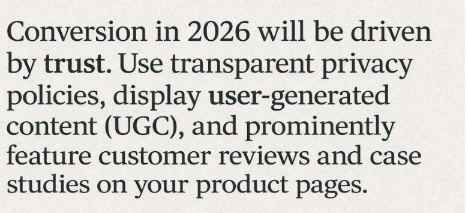
Research shows that 79% of people say user‑generated content strongly influences their purchasing decisions, most likely because it reinforces social proof.
And since UGC platforms make UGC easier to source, approve, and deploy at scale, they help you consistently tap into one of the strongest drivers of trust.
That brings us to the next point:
As user-generated content becomes a core part of marketing and commerce, managing it manually just doesn’t cut it anymore. Disconnected workflows slow down teams and limit how UGC can support performance across the funnel and increase customer engagement.
By 2026, brands turn to UGC platforms for several key reasons:
Together, these advantages help transform UGC from a one-off tactic into a long-term growth driver.
Not all UGC platforms are built alike. If you're evaluating tools in 2026, here are the core features to prioritize, and why they matter:
There isn’t one “best” UGC platform for every brand. The right fit depends on how you use user-generated content across your marketing, ecommerce, and social media channels.
Below, you’ll find the UGC platforms we evaluated based on real-world use cases, standout strengths, and who they work best for. Instead of ranking tools by feature count, our comparison focuses on practical differences that matter for decisions in 2026, including content creation, governance, and measurable impact across marketing campaigns. Let’s get into it.
Bazaarvoice has long been a leader in ratings and reviews, helping brands turn authentic customer feedback into trusted signals across ecommerce and retail environments.
It’s especially strong at scaling UGC programs globally and making reviews and visual content work everywhere shoppers are: on your own site and across major retail partners like Walmart or Target.
One of Bazaarvoice’s biggest strengths in our experience is its extensive syndication network. We like it because you can collect reviews once and distribute them across multiple marketplaces to boost visibility and conversions.
It also includes solid moderation and authenticity verification tools, so you can maintain content quality as you grow.
.webp)
Best fit: Enterprise brands and retailers focused on reviews, broad reach, and building credibility.
Yotpo brings a connected approach to user-generated content by combining reviews, visual UGC, and loyalty features all in one platform. It’s designed specifically for e-commerce brands looking to deepen customer engagement.

What we appreciate about Yotpo is its unified suite. You can run review collection, loyalty programs, referrals, and even SMS or email campaigns from one place without stitching together separate tools.
That means the same user-generated content that builds trust can also feed into retention and repeat purchase strategies.
Best fit: DTC and ecommerce brands focused on long-term relationships, retention, and performance-driven content marketing.
Pixlee is built for brands that rely heavily on visuals and want to turn user-generated content and influencer visuals into measurable e-commerce performance. It supports both UGC and influencer-generated content across shopping experiences and marketing campaigns.
Beyond just collecting photos and videos, Pixlee offers advanced analytics dashboards that show how UGC performs. You can see metrics like engagement and conversion rates, so you can refine what content you actually use.
Another thing we like is how it automatically identifies and curates high-value content from social platforms. That way, you spend less time sorting through posts and more time activating them.
Best fit: Brands focused on visual commerce that need a scalable way to manage both UGC and influencer content.
Nosto UGC is designed for teams that want to use user-generated content strategically, guided by performance data and personalization rather than volume alone.
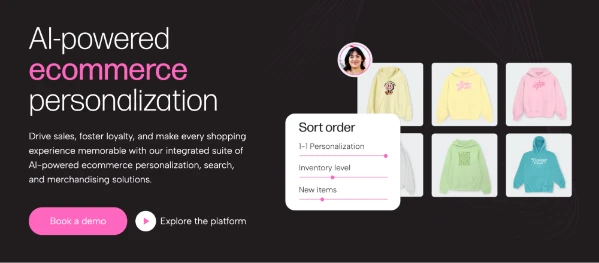
One thing we appreciate is its AI-enabled tools, with which you can power shoppable UGC experiences.
This content inspires, yes, but it also does something significantly more important: it directly links to product pages with optimized calls to action that boost click-throughs, conversions, and loyalty.
It’s a platform that’s especially useful when you want UGC to do more than look good and actually drive measurable commerce outcomes.
Best fit: Data-driven ecommerce teams looking to personalize experiences and optimize performance-led content marketing using UGC insights.
Flowbox is built for brands that want strong creative control. It does a great job at turning user-generated content into polished, on-brand visuals without relying on rigid templates.

One of the things we like about Flowbox is how it integrates with existing e-commerce stacks and makes UGC shoppable quickly.
That’s thanks to features like AI-auto product recognition, which speeds up turning social posts into commerce assets.
It also supports community and influencer collaborations, so you can showcase more types of content across your marketing channels.
Best fit: Mid-market and growing ecommerce brands that value creative flexibility and control.
TrueLoyal is built for brands that see UGC as more than product-page filler. It’s a storytelling tool for full-scale campaigns and content drops.
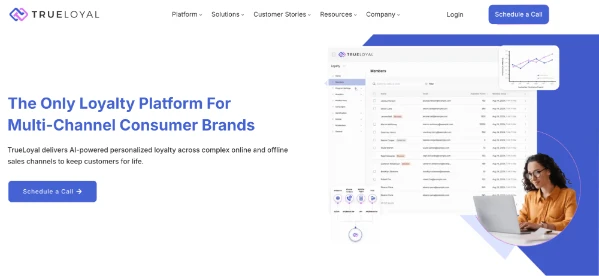
While it still helps you collect and organize user-generated content from across social channels, what sets TrueLoyal apart is its ability to tie UGC directly into loyalty and advocacy programs.
We like this feature the most because it’s how customers feel rewarded for sharing their experiences.
The platform can surface high-quality UGC faster and help you activate it across campaigns and loyalty touchpoints, which is another advantage.
That way, the content you collect actively fuels engagement and retention initiatives.
Best fit: Marketing teams running frequent campaigns that need creative flexibility and centralized content management at scale.
Social Native builds on Olapic’s legacy of visual storytelling with a strong emphasis on AI-powered curation and creator discovery. It helps brands turn everyday customer visuals into high-quality, brand-ready content as part of a broader creator and UGC platform.

You can use it to automatically source content from hashtags and mentions, recruit content creators and influencer partners at scale, manage rights and payments in one workflow, and even deploy that UGC across social, ecommerce and paid media channels.
Besides, its automation features significantly reduce manual work. In fact, they claim the tech can eliminate up to 90% of the usual UGC slog, so your teams can focus on strategic storytelling.
Best fit: Lifestyle, fashion, and beauty brands that prioritise premium visual storytelling and brand-aligned UGC.
CrowdRiff is built specifically for travel and tourism brands that use user-generated content to tell experience-led stories rather than drive direct e-commerce.
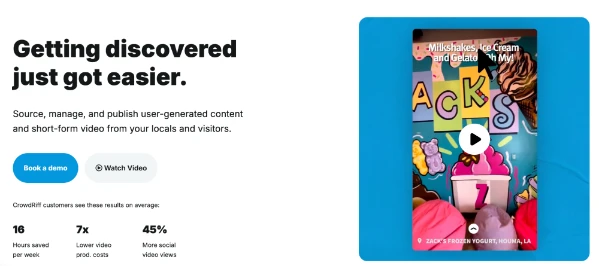
It uses AI-driven search tools to recommend the most relevant visuals from locals and visitors, helps you request and manage usage rights quickly, and lets you publish galleries and photo walls that visually tell the story of a place across your website and social feeds.
We like how it operates because we know many travel decisions are driven by inspiration and experience, not product specs.
So, having an easy way to surface and showcase destination UGC can dramatically shorten the path from discovery to booking.
Best fit: Travel, tourism, and experience-first brands with goals beyond traditional ecommerce.
Taggbox is a user-generated content platform that helps brands automatically collect, curate, and display social content from networks like Instagram, TikTok, YouTube, Facebook, and Twitter.
.webp)
It works by basically pulling in posts via hashtags, mentions, handles, or keywords.
You can also use it to turn authentic community content into immersive visual experiences, like:
Taggbox also comes with moderation tools, customization options, and rights management, so you can ensure every piece of content you repurpose aligns with your brand and legal requirements.
What makes Taggbox appealing is how it bridges UGC collection and display with engagement-driving visual formats that don’t require heavy frontend development. That’s why we recommend it to brands looking to amplify community content across multiple channels fast.
Best fit: A practical option for brands that want fast, flexible ways to showcase social UGC across web, events, and campaigns without heavy development.
Dash Social looks at user-generated content through a performance lens, built for teams that treat social as a measurable, strategic channel.
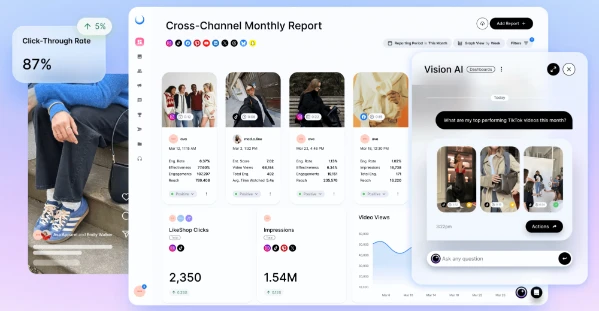
Beyond simply curating customer photos or videos, you can use Dash Social to predict which UGC will perform best, analyze engagement and reach, request usage rights straight from Instagram or TikTok, and even build shoppable galleries that link your audience directly to products.
We also appreciate that it has good analytics and predictive insights. That way, you can treat user content as a strategic lever in your broader social and commerce strategies.
Best fit: Data-driven social and marketing teams that prioritize testing, insights, and measurable growth.
The best UGC platform for your team depends on your goals. Here’s a plan that typically works well in our experience.
Get clear on the main role UGC should play in your strategy. Whether the goal is improving conversion rates, strengthening brand awareness, or supporting social media campaigns, knowing your top goal helps narrow your options fast.
Different UGC platforms are built for different strengths:
Think about who will manage the platform daily. Bigger teams may need better content management, content moderation, and rights management tools. Smaller teams can do better with leaner UGC apps and setups that are easy to run.
Make sure the platform integrates smoothly with your e-commerce tools, CMS, and marketing stack. This ensures user-generated content flows easily across channels without slowing down content creation or publishing.
Whenever possible, test platforms through demos or pilot programs. Seeing a UGC platform in action is the fastest way to assess usability, workflow fit, and overall value.
Getting the most from UGC platforms isn’t about choosing the tool with the longest feature list. It’s about using user-generated content intentionally and strategically.
To drive strong returns in 2026, focus on these four areas:
With the right approach, UGC platforms help turn authentic customer content into consistent business results.
User-generated content continues to be one of the most effective ways for brands to build brand trust, drive engagement, and support results across the funnel.
The brands getting the most out of UGC aren’t treating it as a quick win.
They’re building long-term systems, from sourcing with intent to purposeful content curation, managing content rights clearly, and using data to guide decisions.
That’s also why, for many brands, the best alternative to UGC platforms is working with a specialized UGC agency.
Instead of adding another tool to manage, an agency gives you strategy, creators, production, and performance thinking in one place.
That means you go beyond content collection.
You get UGC that’s planned around your goals, tested across channels, and optimized for real outcomes.
If you want UGC that actually works as part of your growth strategy (not just another dashboard full of assets), talk to inBeat Agency today. We help brands build UGC systems that scale, perform, and stay human.
A UGC platform helps brands collect, organize, and reuse user-generated content, from social posts and customer reviews to creator videos. It supports content marketing by making it easy to publish UGC across websites, social media, and paid channels.
By highlighting real customer experiences through reviews, visuals, and creator content, UGC platforms reinforce social proof and build confidence at key decision points.
There’s no one-size-fits-all answer. The right platform depends on whether you need shoppable experiences, product pages integrations, rights management, or performance-focused analytics.
Depending on your needs, look for content aggregation, content moderation, content rights management, visual presentation tools, analytics, and strong integrations with e-commerce platforms, CMS tools, and social media platforms.
